Fuel distribution looks simple from the outside. A truck arrives, a tank is filled, paperwork is checked, and the supply moves on. But anyone who has worked around depots, LPG facilities, pumping stations, or industrial fuel yards knows that the real work is much more detailed. Reliable energy supply depends on planning, layout, equipment quality, and the small decisions made long before the first delivery starts.
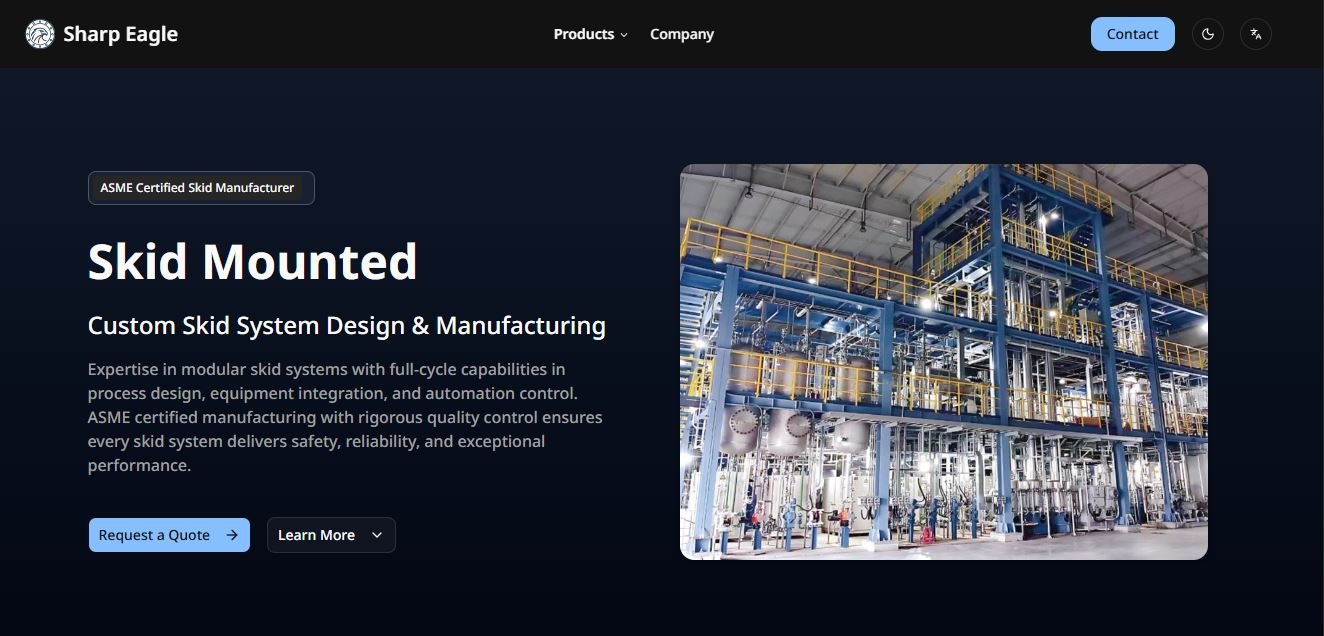
In fuel-related projects, time lost on site can become expensive very quickly. A poorly placed pump, a difficult maintenance point, or an undersized utility connection can slow down loading operations and create safety concerns. This is why many project teams prefer equipment that arrives with more of the engineering already completed. A Skid Mounted system, for example, can combine pumps, piping, valves, instruments, and controls on one base frame, making installation cleaner and easier to manage.
This approach is useful for energy and industrial sites where space is limited and operations cannot stop for long. Instead of coordinating several separate components from different suppliers, a packaged system gives the team a clearer starting point. It also helps during commissioning because more of the assembly and testing can be completed before the unit reaches the site.
Safety is just as important as speed. Fuel, gas, steam, and other process media require equipment that can handle pressure, temperature, and operating changes without creating unnecessary risk. That is why pressure vessels must be selected carefully. The right vessel is not only about capacity. Material choice, welding quality, inspection records, pressure rating, and maintenance access all matter in daily operation.
Good documentation also makes a difference. In fuel marketing and distribution networks, teams often work across many locations. Clear drawings, testing records, and equipment specifications help operators and maintenance staff understand what they are dealing with. When documentation is weak, small problems take longer to solve. When it is clear, teams can respond faster and keep operations moving.
Another point often overlooked is future maintenance. A system may look compact and efficient on paper, but if technicians cannot reach key valves or instruments, the design will cause trouble later. Practical equipment planning should consider not only installation, but also inspection, cleaning, replacement, and long-term service.
Suppliers with real fabrication and engineering experience can help reduce these risks. Companies such assharp eagle support industrial projects by building equipment around actual site needs, not just catalogue descriptions. That kind of practical thinking is valuable in energy, fuel distribution, chemical processing, water treatment, and other infrastructure-heavy sectors.
Fuel supply depends on more than transport and storage. It depends on dependable equipment working quietly in the background. When project teams choose systems that are easier to install, safer to operate, and simpler to maintain, they give the whole supply chain a stronger foundation.