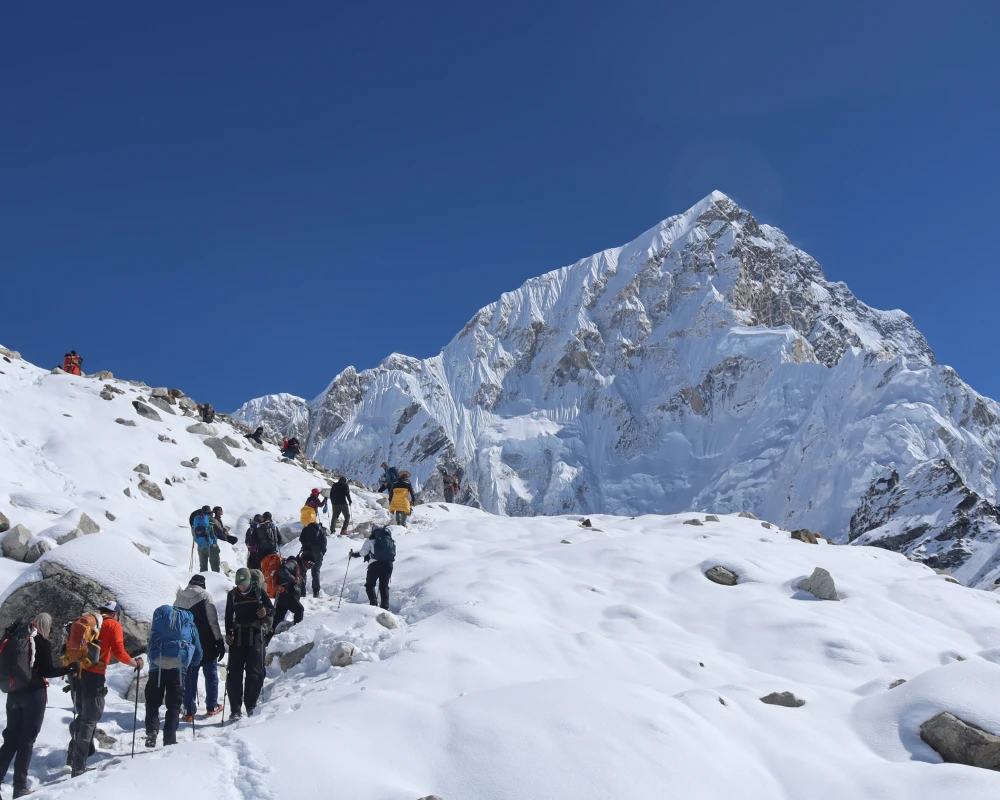
Nepal has a way of turning “someday I’ll go trekking” into an actual plane ticket. If you’ve been scrolling through photos of snow-capped peaks and prayer flags fluttering over stone villages, chances are two names keep popping up: the Everest Base Camp Trek and the Manaslu Circuit Trek. Both are bucket-list worthy, both will test your legs and your lungs, and both leave you a slightly different person by the end.
But they’re not the same trek with different scenery. One takes you into the world’s most famous mountain valley; the other, into a quieter, wilder corner of the Himalayas that still feels a little undiscovered. So which one should a first-timer pick? It really comes down to your fitness, your budget, the time you can spare, and what kind of experience you’re actually chasing. Let’s break it down properly.
- Why These Two Treks Are Popular Among First-Time Trekkers
- Everest Base Camp Trek Overview
- Manaslu Circuit Trek Overview
- Everest Base Camp Trek vs Manaslu Circuit Trek
- Difficulty Level Explained
- Which Trek Has Better Mountain Views?
- Cultural Experience on Both Treks
- Trekking Permits Required
- Accommodation and Food
- Best Time to Do the Everest Base Camp Trek and Manaslu Circuit Trek
- Fitness Preparation Before the Trek
- Essential Packing Checklist
- Safety Tips for First-Time Trekkers
- Which Trek Should You Choose?
- Frequently Asked Questions (FAQs)
- Conclusion
Why These Two Treks Are Popular Among First-Time Trekkers
The Everest Base Camp Trek has been a rite of passage for decades; it’s the trek people have actually heard of, even if they’ve never set foot in Nepal. The Manaslu Circuit Trek, on the other hand, has quietly built a cult following among trekkers who want something equally spectacular but far less crowded.
Both routes wind through UNESCO-recognized landscapes, past terraced fields, glacial rivers, and villages where mountain life hasn’t changed much in generations. Beginners often end up comparing the two because they sit in a similar sweet spot: challenging enough to feel like a real accomplishment, but doable without mountaineering experience.
Everest Base Camp Trek Overview
Location and Route
The trek sits in the Khumbu region of northeastern Nepal, starting with a hair-raising flight into Lukla before the trail climbs steadily towards Everest itself.
Trek Duration
Most itineraries run 12–14 days round trip, including acclimatization stops.
Highest Elevation
Kala Patthar, the classic viewpoint, tops out around 5,545 meters, while Base Camp itself sits at roughly 5,364 meters.
Major Attractions
The trail passes through Lukla, Namche Bazaar, Tengboche, Dingboche, Lobuche, and Gorakshep before reaching Everest Base Camp and, for the best photo of your life, Kala Patthar.
Manaslu Circuit Trek Overview
Location and Route
The Manaslu Circuit Trek is the world’s eighth-highest peak, in the Gorkha region, starting lower in warm, terraced farmland and climbing into high alpine desert.
Trek Duration
Expect around 14–18 days depending on your starting and ending points.
Highest Elevation
Larke Pass, the trek’s big challenge, sits at about 5,106 meters.
Main Highlights
Key stops include Soti Khola, Jagat, Deng, Namrung, Samagaon, Samdo, Dharamsala, the Larke Pass crossing itself, and finally, Bimthang on the descent.
Everest Base Camp Trek vs Manaslu Circuit Trek
Feature
Everest Base Camp Trek
Manaslu Circuit Trek
Difficulty
Moderate to challenging
Challenging
Trek Days
12–14 days
14–18 days
Maximum Altitude
~5,545m (Kala Patthar)
~5,106m (Larke Pass)
Crowds
Busy, especially during peak season
Quiet, fewer trekkers
Trail Condition
Well-maintained, clear signage
Rugged and remote in places
Accommodation
Comfortable teahouses
Basic but improving teahouses
Food
Wide variety, some Western options
Simpler, mostly local dishes
Cost
Higher
Slightly lower (permit costs offset this)
Internet
Widely available (paid Wi-Fi)
Limited, patchy in upper villages
Mobile Network
Good coverage
Weak to none in remote sections
Scenic Beauty
Iconic, world-famous views
Dramatic, less-photographed views
Cultural Experience
Sherpa culture, Buddhist monasteries
Tibetan-influenced villages, remote traditions
Wildlife
Occasional yaks, mountain birds
Higher chance of spotting Himalayan wildlife
Best For
First-timers wanting the classic experience
Trekkers wanting solitude and adventure
Difficulty Level Explained
Everest Base Camp Trek Difficulty
You’ll walk 5–7 hours most days, with a few genuinely steep, lung-burning sections around Namche Bazaar and towards Dingboche. Altitude is the real opponent here, not the terrain; you don’t need to be an athlete, but you do need decent stamina.
Manaslu Circuit Trek Difficulty
Manaslu asks for a bit more from you. Days can stretch longer, trails are rougher and less crowded (which means less help if something goes wrong), and the Larke Pass crossing is a long, cold, early-morning slog that separates the prepared from the unprepared. Physical training beforehand genuinely matters here.
Which Trek Has Better Mountain Views?
Honestly, this is a matter of taste. On the Everest Base Camp Trek, you’re walking in the shadow of Everest, Lhotse, Nuptse, Ama Dablam, and Pumori, arguably the most photographed mountain skyline on Earth. Ama Dablam alone is worth the trip.
The Manaslu Circuit gives you Mount Manaslu, Himalchuli, Ngadi Chuli, Ganesh Himal, and distant glimpses of the Annapurna Range. The views feel rawer, partly because fewer people have seen them in person.
Cultural Experience on Both Treks
In the Everest region, you’ll walk through Sherpa communities, past prayer wheels and mani stones, and if you’re lucky, catch a ceremony at Tengboche Monastery, one of the most atmospheric spots in the entire Khumbu.
The Manaslu region leans more Tibetan in flavor. Villages like Samagaon feel like stepping back in time, with remote monasteries, weathered prayer flags, and a lifestyle that’s barely brushed by tourism. It’s a different kind of cultural immersion, quieter, less curated.
Trekking Permits Required
For the Everest Base Camp Trek, you’ll need the Khumbu Pasang Lhamu Rural Municipality Permit and the Sagarmatha National Park Entry Permit.
The Manaslu Circuit Trek requires a Restricted Area Permit, the Manaslu Conservation Area Permit (MCAP), and the Annapurna Conservation Area Permit (ACAP) since the route brushes against Annapurna territory near the end.
Permit costs vary by season and are generally arranged through a licensed trekking agency in Kathmandu, since Manaslu specifically requires trekking with a registered guide; solo trekking isn’t permitted there.
Accommodation and Food
Tea Houses
Both treks rely on teahouse lodges rather than camping, though Everest’s teahouses tend to be more polished thanks to decades of tourist traffic.
Rooms
Expect simple twin rooms with basic bedding on both routes; bring your own sleeping bag regardless.
Meals Available
You’ll be eating a lot of dal bhat, along with fried rice, noodles, soups, pancakes, and endless cups of tea and coffee. Food quality and variety are noticeably wider on the Everest side, while Manaslu keeps things simpler and more local.
Best Time to Do the Everest Base Camp Trek and Manaslu Circuit Trek
Spring (March–May) brings blooming rhododendrons and stable weather, a favorite for both treks.
Autumn (September–November) is peak season for good reason: crisp skies, clear mountain views, and comfortable daytime temperatures.
Winter offers dramatic, crowd-free scenery, but expect brutal cold and some lodges closing at higher elevations.
Monsoon season brings leeches, landslide risk, and clouded views, though Manaslu’s rain-shadow sections stay somewhat drier than the Everest side.
Fitness Preparation Before the Trek
Start a few months out with regular cardio, hill or stair climbing, and weekend hikes with a loaded backpack. Add some strength training for your legs and core, and don’t skip practice hikes on consecutive days; your body needs to learn how to recover overnight. Acclimatization on the trail itself matters just as much as gym prep, so build rest days into your itinerary rather than rushing.
Essential Packing Checklist
Clothing: base layers, down jacket, waterproof jacket, trekking pants, gloves, thermal wear. Footwear: broken-in trekking boots, camp shoes, wool hiking socks. Equipment: backpack, trekking poles, sleeping bag, water bottle, headlamp, power bank, sunglasses, and sunscreen.
Safety Tips for First-Time Trekkers
Walk slowly, drink more water than feels necessary, and give your body time to acclimatize rather than chasing a schedule. Skip alcohol at altitude, listen to your guide even when your ego disagrees, and keep an eye on weather updates. Carry travel insurance that covers high-altitude trekking and helicopter evacuation, and learn to recognize early altitude sickness symptoms: headache, nausea, and dizziness are your body’s warning lights, not something to push through.
Estimated Budget for Both Treks
Expense
Everest Base Camp Trek
Manaslu Circuit Trek
Permits
$30–50
$130–170 (peak season)
Guide
$25–30/day
$25–30/day
Porter
$20–25/day
$20–25/day
Accommodation
$5–15/night
$5–10/night
Food
$20–30/day
$15–25/day
Transportation
Flight to Lukla (~$180–200)
Jeep/bus to trailhead (~$20–40)
Equipment Rental
$50–100 total
$50–100 total
Miscellaneous
$100–150
$100–150
Which Trek Should You Choose?
Go with the Everest Base Camp Trek if you want the famous name, a classic Himalayan experience, better teahouse comfort, more established trekking infrastructure, and those unmistakable Everest views.
Choose the Manaslu Circuit Trek if you’d rather skip the crowds, want a genuinely remote adventure, prefer traditional villages over commercial trail towns, and don’t mind trading a bit of comfort for wilderness.
Common Mistakes First-Time Trekkers Should Avoid
Underestimating altitude is the big one; it doesn’t care how fit you are. Beyond that, trekkers often overpack unnecessary gear, ignore weather forecasts, skip physical preparation, walk too fast on summit days, forget to drink enough water, or skip travel insurance to save a few dollars. None of these mistakes is dramatic on its own, but together they’re exactly how trips go wrong.
Frequently Asked Questions (FAQs)
Is the Everest Base Camp Trek suitable for beginners? Yes, with reasonable fitness and proper acclimatization, most healthy beginners can complete it comfortably.
Is the Manaslu Circuit Trek harder than the Everest Base Camp Trek? Generally, yes, longer days, rougher trails, and the Lark Pass crossing make it a step up in difficulty.
Which trek is more expensive? Everest Base Camp tends to cost more overall due to the Lukla flight and higher teahouse prices, even though Manaslu’s permits are pricier.
Can I trek without a guide? Solo trekking is possible on Everest Base Camp, but Manaslu legally requires a licensed guide due to its restricted-area status.
Which trek has better mountain views? Everest Base Camp offers the world-famous Everest skyline, while Manaslu offers equally dramatic, less-crowded views; it really depends on your preference for fame versus solitude.
Is Nepal safe for Spanish-speaking travelers?
Yes. Nepal is a safe destination for travelers, and Viajes a Nepal provides experienced guides, reliable support, and 24/7 assistance throughout your journey.
Conclusion
At the end of the day, both the Everest Base Camp Trek and the Manaslu Circuit Trek deliver the kind of experience that changes how you think about mountains, effort, and yourself. Everest Base Camp gives you the iconic views, established trails, and comfortable teahouses that make it a fantastic first big trek. Manaslu Circuit rewards you with solitude, raw wilderness, and villages that feel wonderfully untouched.
Neither choice is wrong; it just depends on what you’re looking for. Think honestly about your fitness, your budget, your available time, and whether you crave the famous or the far-flung. Whichever trail you choose, lace up your boots, pack your patience along with your down jacket, and get ready for a Himalayan adventure you’ll be talking about for years.