When people think about healthcare facilities, they often focus on doctors, nurses, and the medical treatments that help patients recover. While these professionals are undoubtedly at the heart of healthcare, a great deal of work happens behind the scenes to ensure hospitals, clinics, and medical centres operate safely every day.
Maintaining a safe healthcare environment requires far more than advanced medical equipment and skilled professionals. Every department, from housekeeping and laboratory services to pharmacy operations and maintenance teams, plays an important role in protecting patients, visitors, and staff. Countless procedures, routine inspections, and safety measures work together to support healthcare delivery while minimising unnecessary risks.
Although many of these efforts remain largely invisible to the public, they form the foundation of an efficient and reliable healthcare system.
A Workplace That Never Stops
Unlike many industries that operate within standard business hours, healthcare facilities often function 24 hours a day throughout the year. Emergency departments, intensive care units, laboratories, and operating theatres continue providing essential services regardless of weekends or public holidays.
This continuous operation creates unique workplace challenges. Staff work rotating shifts, equipment operates around the clock, and patients with different medical needs require constant attention. Maintaining safety under these conditions demands careful planning, clear communication, and well-established procedures.
Every member of the healthcare team must understand their responsibilities and follow consistent practices that help reduce risks while supporting quality patient care.
Preventing Cross-Contamination
One of the primary objectives in any healthcare facility is preventing cross-contamination between patients, healthcare professionals, equipment, and clinical environments.
Medical staff routinely interact with numerous individuals throughout their shifts, making effective hygiene practices essential. Regular hand hygiene, proper cleaning procedures, and appropriate waste disposal all contribute to reducing the spread of harmful microorganisms.
Environmental services teams play an equally important role. Patient rooms, waiting areas, treatment spaces, and shared equipment require regular cleaning using established protocols designed to maintain hygienic conditions.
These efforts help create an environment where patients can receive care while minimising unnecessary exposure to potential sources of contamination.
The Importance of Routine Procedures
Many workplace accidents are prevented not through major interventions but by consistently following simple daily routines.
Healthcare organisations develop detailed procedures covering activities such as equipment cleaning, specimen handling, medication storage, waste management, and emergency response. These procedures provide clear guidance for employees and help ensure tasks are performed consistently regardless of shift or department.
Routine inspections further strengthen workplace safety. Equipment is checked regularly, emergency exits remain accessible, and potential hazards are identified before they become significant problems.
This emphasis on consistency helps healthcare facilities maintain high operational standards while reducing avoidable risks.
Safety Beyond Patient Care
While patient safety understandably receives significant attention, healthcare facilities must also protect the wellbeing of their employees.
Hospital workers perform a wide variety of physically demanding tasks throughout the day. Maintenance personnel repair building systems, laboratory staff process diagnostic samples, housekeeping teams manage cleaning operations, and pharmacy employees prepare medications under carefully controlled conditions.
Each department faces different workplace hazards that require appropriate risk management strategies. Some employees handle chemicals, others transport heavy equipment, while certain teams work with sterilisation systems or specialised medical devices.
Providing safe working conditions for every department supports both employee wellbeing and overall operational efficiency.
Training Creates Consistency
Healthcare procedures continue evolving as new technologies, research findings, and regulatory requirements emerge. Ongoing training ensures employees remain familiar with current best practices.
New staff members typically receive comprehensive orientation covering workplace policies, emergency procedures, infection prevention measures, and department-specific responsibilities. Experienced employees also participate in refresher training to reinforce existing knowledge and learn updated procedures.
Simulation exercises, emergency drills, and practical demonstrations help prepare staff for unexpected situations. These activities encourage teamwork while improving confidence in responding appropriately during emergencies.
A well-trained workforce contributes not only to better patient outcomes but also to a safer working environment for everyone.
Personal Protective Equipment Supports Daily Operations
Personal protective equipment forms one part of a much broader workplace safety programme.
Different healthcare roles require different levels of protection depending on the tasks being performed. Clinical staff, laboratory technicians, cleaning personnel, and maintenance workers may each require different equipment based on their workplace responsibilities and potential exposure to hazards.
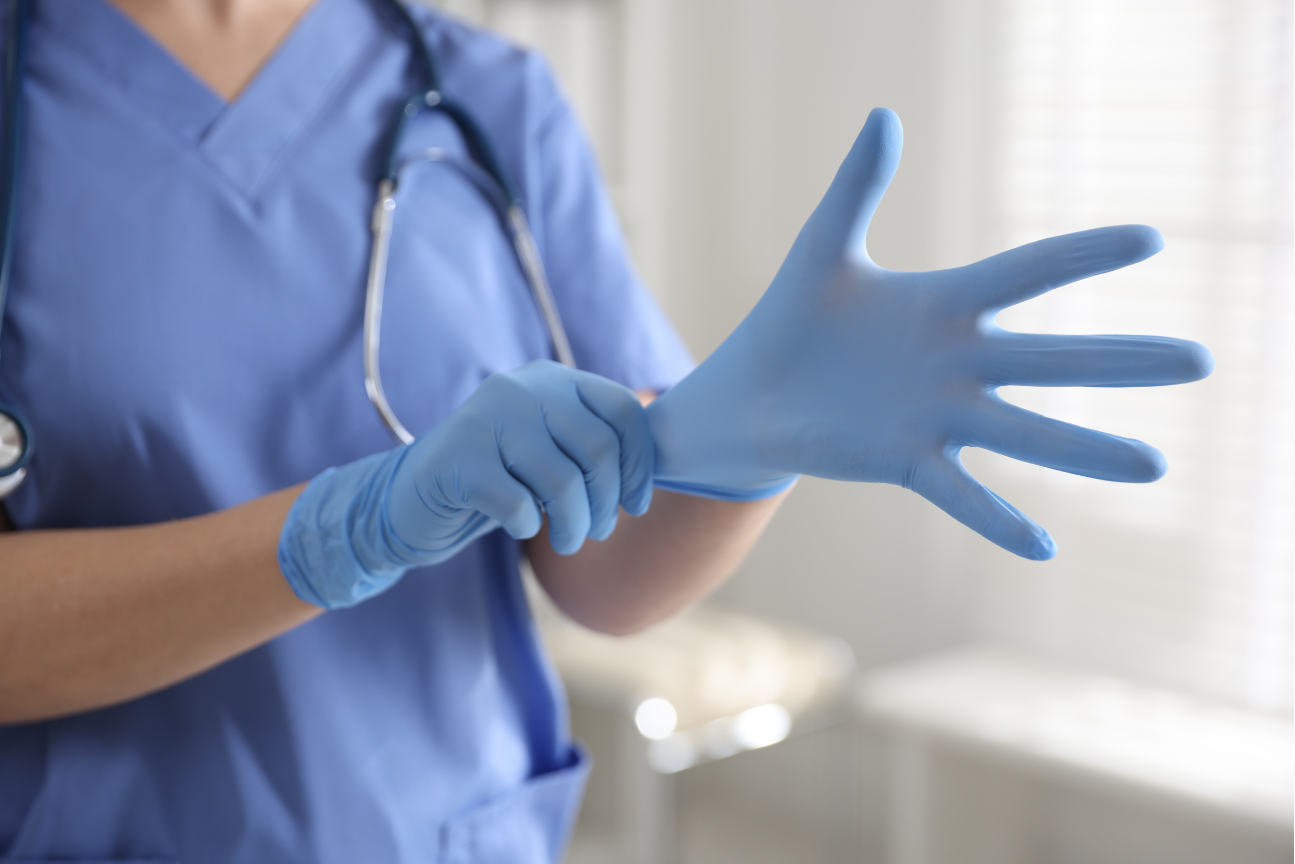
Facilities regularly assess workplace risks to determine the most appropriate protective measures for individual departments. In many clinical and laboratory settings, organisations provide hand protection for hygiene-sensitive environments to support infection prevention protocols while helping employees carry out routine tasks safely and efficiently.
When combined with proper training and established workplace procedures, protective equipment helps strengthen overall safety without replacing the importance of good work practices.
Communication Across Departments
Healthcare facilities rely on effective communication to coordinate activities between numerous departments.
Patient care often involves collaboration among physicians, nurses, pharmacists, laboratory personnel, radiographers, housekeeping staff, and administrative teams. Clear communication helps reduce misunderstandings while ensuring important information reaches the appropriate people promptly.
Many facilities use standardised reporting systems that encourage employees to document incidents, identify potential hazards, and suggest improvements. Learning from near misses and minor incidents allows organisations to strengthen procedures before more serious problems occur.
Creating an environment where employees feel comfortable raising concerns is an important part of maintaining a positive safety culture.
Continuous Improvement
Healthcare organisations continually review their operations to identify opportunities for improvement.
Regular audits, equipment inspections, employee feedback, and quality assurance programmes help facilities evaluate existing procedures and make informed decisions about future changes. Even small adjustments, such as improving workflow, updating equipment, or refining cleaning protocols, can have a meaningful impact on workplace safety.
Advances in technology have also contributed to safer healthcare environments. Digital record systems, automated medication dispensing, contactless equipment, and improved monitoring technologies help reduce human error while supporting more efficient operations.
Rather than viewing safety as a one-time objective, successful healthcare organisations treat it as an ongoing process that evolves alongside medical practice and operational requirements.
Conclusion
Behind every successful healthcare facility is an extensive network of people, procedures, and safety systems working together to support patient care and employee wellbeing. While much of this work happens away from public view, it remains essential to the daily operation of hospitals, clinics, and medical centres.
From preventing cross-contamination and maintaining clean environments to providing ongoing staff training and encouraging effective communication, every aspect of healthcare safety contributes to better outcomes for patients and employees alike.
As healthcare continues to advance, maintaining a strong commitment to workplace safety will remain just as important as medical innovation itself. By continually improving processes and supporting the people who keep facilities running, healthcare organisations can provide safe, reliable, and high-quality care for the communities they serve.