- The Challenge: Aphids Ravage Rose Gardens
- Cultural Practices in the Eyes of a Gardener
- Beauveria bassiana: Scientific Way to Sustainable Gardens
- Professional Opinions: Lab and University Recommendations
- Beveria WP: The Organic Solution for Rose Enthusiasts
- The new gold standard in aphids pest control
- Conclusion: The Reason That Gardeners are Changing
The Challenge: Aphids Ravage Rose Gardens
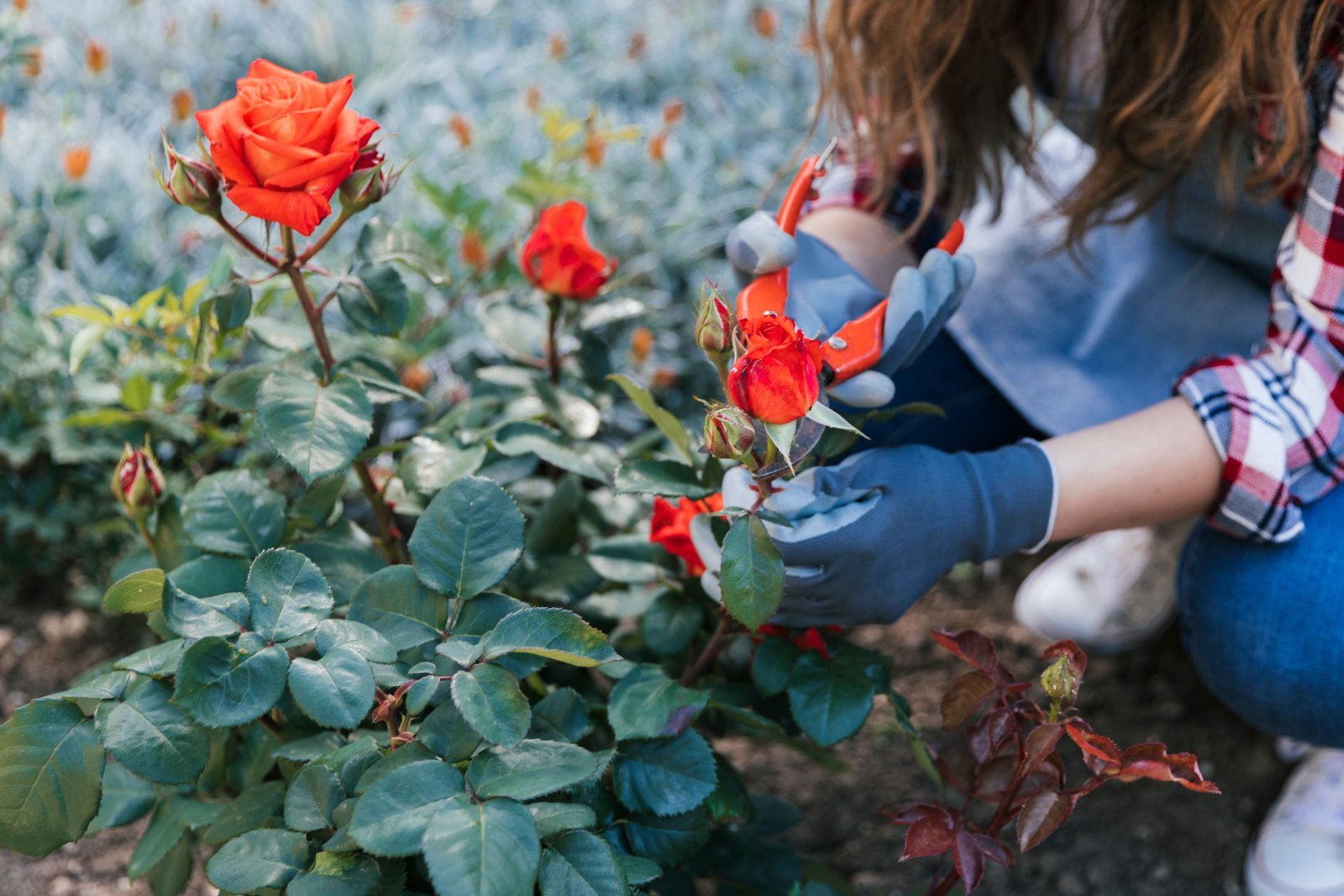
Being an old gardener, the roses have been my pride–but every spring, the little green and black aphids rain down upon shoots and buds and threaten both beauty and health. I had assumed that traditional chemical insecticides would always reign supreme in aphids pest control but I was becoming cautious: such chemicals disturb the good insects, create residue issues, and create a dependency which goes against the essence of stewardship in the real garden sense.
Cultural Practices in the Eyes of a Gardener
Good cultural practice was my initial line of defense. I support ladybugs and lacewings, and apply reflective mulches to discourage winged alates, and trim infested shoots rapidly. My roses are sprayed with a good burst of water and in early outbreaks, I apply mild insectical soaps. But, alas, as all organic gardeners will admit, these tricks may only cover the issue- and at the best times in your climate when it is a perfect environment in which aphids could thrive. And either those who want a chemical-free garden or certified organic flowers, such tactics may be all we have to turn to when we want sustainable enhancement.
Beauveria bassiana: Scientific Way to Sustainable Gardens
This is where the situation will be altered with biological control Beauveria bassiana as suggested by fellow gardeners and microbial agricultural scientists of major universities. This is a soil borne fungus that has been shown to attack and kill aphids naturally. It is a beautiful science: the fungal spores in a form as a bioinsecticida a base de beauveria attached to an aphid, germinate in the insect and break the pest that is eaten up on the inside by enzymes and toxins produced by the fungi. B. bassiana has exhibited mortality rates of 78-100 percent against aphid populations within days of ready-made application in many studies across the globe, again considerably faster than most botanical or soap sprays which still prove to be toxic to beneficial insects and pollinators.
Professional Opinions: Lab and University Recommendations
University extension and agricultural research labs are among the sources that have lauded B. bassiana as being environmentally safe and effective, particularly through its activity of entomologists and microbiologists. They also mention the selective effect that the fungus has: it is deadly to aphids and other soft-bodied pests and most garden allies are largely unaffected. B. bassiana does not pose any risk to the human handlers, pets or the intricate soil microbiome as is the case with chemicals- leading to sustainable solutions in the long run in garden eco systems.
To be effective, according to the experts, B. bassiana control biológico de pulgones should be applied in early morning or evening (when it rains and there is an abundance of humidity and low level of UV light). Add to this sensible pruning and fresh air flow, a contemporary, science-aluminized aphids aphid control program, and one gets one that is soft on roses, whilst hard on invaders.
Beveria WP: The Organic Solution for Rose Enthusiasts
I have researched the existing products, and have resorted to Beveria WP, which is a high-quality wettable powder, manufactured with Beauveria bassiana, by Novobac. The following are some of the benefits of this formulation:
-
Organic and Residue-Free: Beveria WP is organic, decaying and leaving no bad residues behind.
-
The Ease of Application: Mix and spray to be applied on infested shoots, buds as well as the undersides of leaves-where aphids hide in groups.
-
Enduring and Compatible: Excellent spore quality also means high shelf life and strong control on not only roses, but also vegetables, herbs and ornamentals.
-
Does not Kill the Good Guys: Earthworms, good insects and pollinators stay safe and maintain an efficient garden ecological system.
Grower field reports and university trials all demonstrate that Beveria WP gives consistent aphid control even in the worst outbreaks. Apply again in 7-10 days or after hard rains to keep the protection up during the flowering period.
The new gold standard in aphids pest control
According to a microbiological point of view, hongo Beauveria bassiana para plagas is not only uprooting the kill of pests, but also in tune with integrated pest management (IPM) philosophies. You combine B. bassiana with cultural methods (weeding out, pruning, interplanting) and establish an unfavorable climate toward aphids and concurrently build rose health in the long term.
Conclusion: The Reason That Gardeners are Changing
Personally, converting to Beveria WP and adopting a biological control agent such as beauveria bassiana has led to stronger and more sustainable roses (in my garden shows less decay), a reduced time spent putting out the fire when an outbreak occurs and a garden that no longer poisons the bees, ladybugs and birds. Talking to agri-scientists and colleagues have assured me that this forthcoming action is not only effective, but it is the future of sustainable horticulture.
The chemical treadmill is history. Beauveria bassiana brings a powerful and, at the same time, nature-friendly solution to the rose garden. Start enjoying a smarter, safer way to protect your flowers against the aphids-year after year.