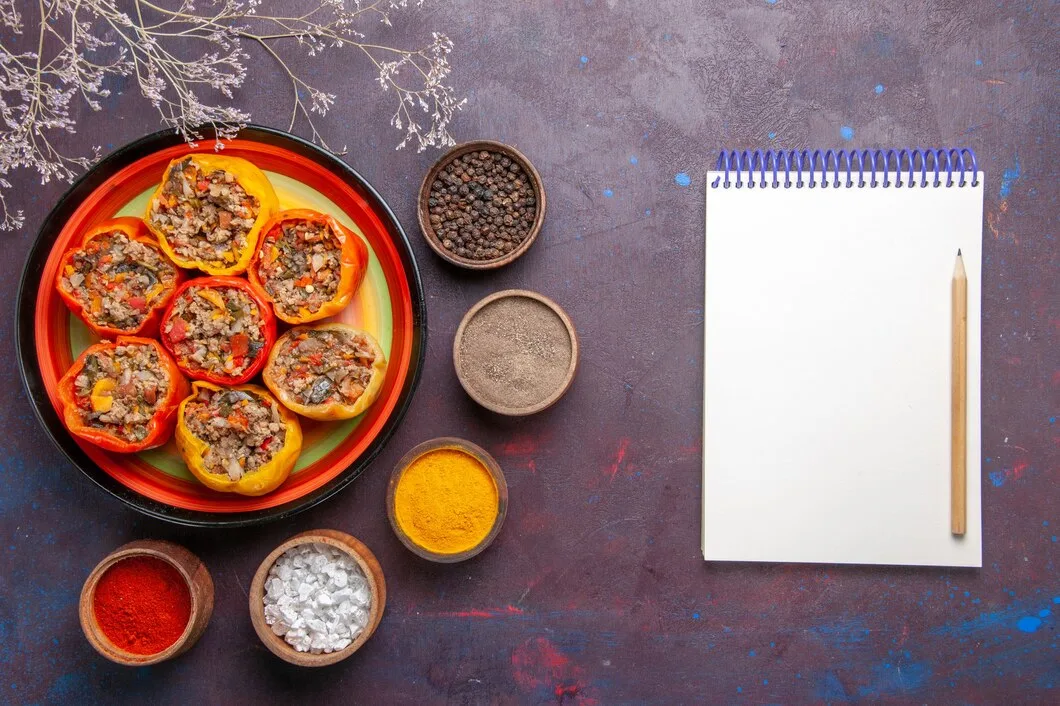
Indian cuisine is one of the world’s most diverse and celebrated food traditions. Rich in history, shaped by regional influences, and built around layers of flavour rather than simple heat, it offers far more variety than many first-time diners realise. From the slow-cooked curries of the north to the coconut-infused dishes of the south, Indian food reflects centuries of culture, trade, migration, and culinary innovation.
For newcomers, Indian menus can sometimes feel overwhelming. With dozens of dishes, unfamiliar names, and regional specialties, knowing where to begin isn’t always straightforward. This guide explores the foundations of Indian cuisine, highlights some essential dishes, and introduces a few restaurants that showcase why Indian food continues to win over diners around the world.
What Makes Indian Cuisine Unique?
One of the defining features of Indian food is its balance. While many people associate Indian cuisine with spice, the reality is far more nuanced. Indian cooking focuses on creating depth through carefully layered flavours, combining ingredients such as cumin, coriander, turmeric, cardamom, cloves, cinnamon, ginger, garlic, and chilli.
Regional diversity also plays a major role. India’s vast geography means ingredients, cooking techniques, and flavour profiles vary dramatically from one area to another.
Northern cuisine often features rich curries, tandoori cooking, breads such as naan and roti, and dairy-based dishes. Southern regions are known for rice, coconut, seafood, lentils, and lighter, tangier flavours. Western and eastern regions introduce their own distinctive traditions, creating one of the world’s most varied culinary landscapes.
Understanding the Building Blocks of an Indian Meal
A traditional Indian meal is often designed around balance rather than a single centrepiece.
You’ll commonly find:
- Curries featuring meat, seafood, vegetables, or lentils
- Rice dishes such as biryani or pulao
- Freshly baked breads
- Pickles and chutneys
- Yoghurt-based accompaniments
- Vegetable side dishes
- Desserts and sweet treats
The goal is often to combine textures, flavours, and temperatures across multiple dishes rather than focusing on just one plate.
Start with the Classics
For anyone exploring Indian cuisine for the first time, a few dishes provide an excellent introduction.
Butter Chicken
One of India’s most internationally recognised dishes, butter chicken combines tender chicken with a rich tomato, butter, and cream-based sauce. Its mild, comforting flavour makes it an ideal starting point for new diners.
Chicken Tikka
Marinated chicken cooked in a traditional clay tandoor oven delivers smoky flavours and a distinctive charred finish. Served on its own or incorporated into other dishes, it remains a menu staple worldwide.
Lamb Rogan Josh
Originating from Kashmir, this slow-cooked lamb curry offers aromatic spices and deep flavour without overwhelming heat.
Dal Makhni
Made from black lentils simmered for hours with butter and spices, dal makhni demonstrates how Indian cuisine can transform simple ingredients into something deeply satisfying.
Biryani
Fragrant basmati rice layered with meat, vegetables, saffron, and spices creates one of India’s most beloved dishes. Every region has its own interpretation.
Why Regional Influences Matter
Many people think of Indian food as a single cuisine, but it’s more accurate to think of it as a collection of regional traditions.
The mountainous regions of Himachal Pradesh, for example, favour slow-cooked dishes designed for colder climates. Punjab is known for hearty, generous cooking, rich curries, tandoor techniques, and iconic dishes such as butter chicken and dal makhni.
Understanding these regional differences helps diners appreciate why Indian cuisine contains such a wide range of flavours and cooking styles.
1. Amber Leaf
For diners looking to explore Indian cuisine through both tradition and modern presentation, Amber Leaf offers an excellent introduction. Built around heirloom recipes from Himachal Pradesh and Punjab, the restaurant celebrates two distinct culinary traditions while presenting them in a contemporary setting.
The menu introduces guests to dishes such as Himalayan Ladakh Momo, Grandmother’s Palak Chicken, Dal Makhni, Lamb Rogan Josh, and Butter Chicken, offering a useful snapshot of northern Indian cooking. The emphasis on family recipes and regional heritage provides newcomers with insight into how Indian food is often rooted in generations of home cooking rather than restaurant trends.
For first-time diners, Amber Leaf demonstrates how Indian cuisine can balance authenticity with accessibility, making it easier to understand the stories behind the dishes on the plate.
Exploring Vegetarian Cuisine
One of the greatest strengths of Indian food is its approach to vegetarian cooking.
Unlike many cuisines where vegetarian dishes feel like alternatives, Indian cooking often places vegetables, lentils, and dairy products at the centre of the experience.
Paneer, chickpeas, lentils, spinach, cauliflower, potatoes, and aubergines all feature prominently in traditional recipes.
Popular vegetarian options include:
- Paneer Butter Masala
- Chana Masala
- Saag Paneer
- Vegetable Biryani
- Aloo Gobi
- Dal Tadka
These dishes showcase the versatility and depth of Indian cooking without relying on meat.
4. Cilantro
For diners interested in discovering how Indian cuisine continues to evolve, Cilantro offers a contemporary perspective while remaining connected to traditional flavours.
Modern Indian restaurants like Cilantro often blend classic recipes with refined presentation, introducing guests to familiar ingredients in new ways. This approach can be particularly appealing to those who are trying Indian food for the first time and may be intimidated by extensive traditional menus.
By balancing authenticity with accessibility, restaurants such as Cilantro help bridge the gap between traditional regional cooking and modern dining expectations.
The Importance of Bread and Rice
Many first-time diners focus on curries, but breads and rice play an equally important role.
Naan
Soft and fluffy, naan is baked inside a tandoor oven and often served with curries.
Roti
A simpler wholewheat bread commonly eaten throughout India.
Paratha
Layered and buttery, paratha is often enjoyed with curries or as part of breakfast.
Basmati Rice
Long-grain and fragrant, basmati rice provides the foundation for countless dishes, particularly biryanis and pulaos.
These accompaniments help balance stronger flavours and allow diners to enjoy a variety of dishes together.
Spice Does Not Always Mean Heat
A common misconception about Indian cuisine is that all dishes are extremely spicy.
In reality, spices are often used to build complexity rather than heat.
Cardamom adds fragrance. Cinnamon contributes warmth. Coriander offers freshness. Cumin brings earthiness. Turmeric adds colour and subtle flavour.
Many traditional dishes are aromatic rather than fiery, making Indian cuisine far more approachable than some people expect.
9. Iford Tandoori
Restaurants such as Iford Tandoori demonstrate the enduring popularity of traditional Indian dining in local communities. Tandoori cooking remains one of the most recognisable aspects of Indian cuisine, with meats and vegetables marinated in yoghurt and spices before being cooked at high temperatures in a clay oven.
This technique creates the smoky flavours and distinctive char that many diners associate with Indian food. Alongside classic curries, biryanis, and breads, establishments like Iford Tandoori help introduce new audiences to the foundations of Indian cooking while preserving time-honoured culinary traditions.
Tips for First-Time Diners
If you’re new to Indian cuisine, consider these simple tips:
- Order a mix of dishes rather than a single main course.
- Try both a curry and a tandoori dish.
- Include a vegetarian option.
- Share dishes with your group.
- Ask about regional specialties.
- Don’t assume every dish is spicy.
- Pair curries with naan or rice for a balanced meal.
Indian food is often designed to be enjoyed communally, making sharing one of the best ways to experience its diversity.
Final Thoughts
Indian cuisine is far more than a collection of curries. It is a vast and varied culinary tradition shaped by geography, culture, history, and generations of family cooking. From rich Punjabi classics and Himalayan specialties to contemporary interpretations and traditional tandoori dishes, there is always something new to discover.
Whether you’re exploring the heirloom recipes of Amber Leaf, experiencing modern Indian dining at Cilantro, or enjoying classic tandoori cooking at Iford Tandoori, the best introduction to Indian cuisine is simply to start tasting. Each dish offers a small window into one of the world’s richest and most fascinating food cultures, making every meal an opportunity to learn something new.