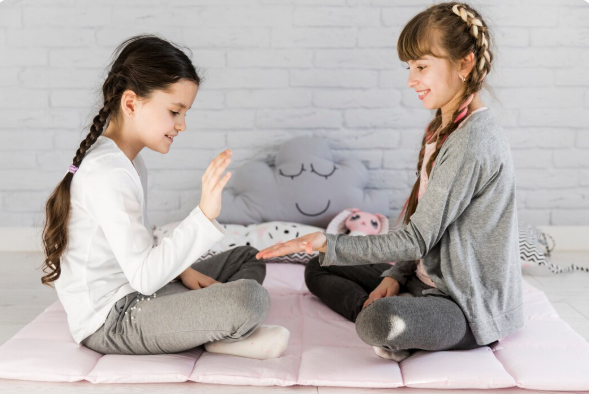
Children hypnotherapy is an intriguing field that is gaining attention for its potential to address various psychological and behavioral issues in children. As more parents seek alternative therapies to support their children’s mental well-being, hypnotherapy emerges as a promising option. This therapeutic approach involves inducing a state of focused relaxation, where the child becomes more open to positive suggestions and therapeutic interventions. The goal of hypnotherapy is to access the subconscious mind, facilitating changes in behavior, thoughts, and emotions. This article delves into the nuances of children hypnotherapy, exploring its benefits, techniques, and considerations for parents considering this path for their children.
The Science Behind Hypnotherapy for Children
Hypnotherapy operates on the principle that the mind can be guided to explore perceptions and experiences in a relaxed state, enhancing the individual’s capacity for change. In children, the mind is particularly receptive to new ideas, making them ideal candidates for hypnotherapy. During a session, a hypnotherapist helps the child enter a trance-like state, where they are alert but deeply relaxed. This state allows the therapist to communicate directly with the child’s subconscious, addressing issues such as anxiety, phobias, and habits like nail-biting or bedwetting. The science behind hypnotherapy is supported by research indicating that suggestions made during hypnosis can lead to significant behavioral and emotional changes in children.
Children’s brains are naturally more adaptable and open to new learning experiences, which is why hypnotherapy can be particularly effective for them. The brain’s plasticity allows children to form new neural connections more readily, making them responsive to therapeutic suggestions. This flexibility is harnessed during hypnotherapy sessions, as therapists work to replace negative patterns with positive ones. The therapy’s non-invasive nature is appealing to parents seeking gentle yet effective interventions for their children’s challenges. As scientific understanding of the brain and its capacity for change grows, hypnotherapy is increasingly recognized as a viable option for supporting children’s mental health.
Benefits of Hypnotherapy for Children
Hypnotherapy offers a range of benefits for children, addressing both psychological and physical issues. One of the primary advantages is its ability to reduce anxiety and stress. Children today face numerous pressures, from academic demands to social dynamics, which can manifest as anxiety. Hypnotherapy provides children with the tools to manage stress more effectively, promoting relaxation and emotional stability. Additionally, it can improve sleep patterns, which in turn enhances overall well-being and cognitive functioning. By addressing the root causes of anxiety, hypnotherapy helps children build resilience and confidence.
Beyond anxiety reduction, hypnotherapy can also assist in overcoming behavioral challenges. For children dealing with habits like thumb-sucking, bedwetting, or even more severe issues such as selective mutism, hypnotherapy offers a gentle way to instigate change. The therapy works by reprogramming the subconscious mind, encouraging positive behaviors and reducing the occurrence of unwanted actions. Moreover, for children struggling with self-esteem issues or social difficulties, hypnotherapy can foster a sense of self-worth and improve interpersonal skills. The holistic nature of hypnotherapy means that it can address multiple aspects of a child’s life, from emotional health to social interactions.
Common Techniques Used in Children Hypnotherapy
Hypnotherapists utilize a variety of techniques tailored to suit the unique needs and developmental stages of children. One common method is storytelling, which engages a child’s imagination and allows them to visualize solutions to their problems. Stories can be crafted to subtly introduce new ways of thinking or behaving, making them a powerful tool in hypnotherapy. Another technique is the use of guided imagery, where the therapist leads the child through a series of calming and constructive mental images. This helps the child to relax and focus on positive outcomes, effectively rewiring their thought patterns.
Play therapy is another valuable approach when working with children in hypnotherapy. Incorporating elements of play allows therapists to connect with children on their level, making the sessions enjoyable and engaging. Through play, children can express emotions and explore new behaviors in a safe environment. Additionally, age-appropriate relaxation techniques, such as deep breathing and muscle relaxation, are often employed to facilitate the induction of the hypnotic state. These techniques not only help the child enter a state of hypnosis but also provide them with skills to manage stress and anxiety outside of therapy sessions.
Considerations for Parents
When considering hypnotherapy for their child, parents should take several factors into account to ensure the best possible outcomes. The first step is selecting a qualified and experienced hypnotherapist who specializes in working with children. It is essential to verify the therapist’s credentials and experience, as well as their approach to therapy. Parents should feel comfortable discussing their child’s needs and any concerns with the therapist before starting sessions. Open communication between the therapist and parents is crucial for tailoring the therapy to the child’s specific requirements.
Parents should also prepare their child for hypnotherapy sessions by explaining the process in simple, reassuring terms. It is important for the child to feel at ease and understand that hypnotherapy is a safe and supportive experience. Parents can help by fostering a positive attitude towards the therapy, encouraging their child to view it as an opportunity for growth and self-improvement. Additionally, setting realistic expectations is vital, as the pace and extent of progress can vary between individuals. By approaching hypnotherapy with an open mind and patience, parents can support their child’s journey towards improved mental health and well-being.
How Hypnotherapy Changes Can Help
Hypnotherapy Changes, located at 22 O’Neil St, Panorama, South Australia 5041, offers specialized services in children hypnotherapy. With a commitment to providing personalized care, the team at Hypnotherapy Changes is dedicated to supporting children in overcoming their challenges. The practice emphasizes a compassionate, child-centered approach, ensuring that each session is tailored to meet the unique needs of the young client. The experienced therapists at Hypnotherapy Changes use a combination of storytelling, guided imagery, and play therapy to engage children and facilitate positive change.
For parents seeking support for their child’s mental health, contacting Hypnotherapy Changes can be a valuable step. The practice can be reached at 0417 818 689, where the team is ready to discuss how children hypnotherapy can specifically benefit your child. Whether dealing with anxiety, behavioral issues, or confidence challenges, Hypnotherapy Changes provides a safe and nurturing environment for children to explore and overcome their difficulties. By choosing a reputable practice like Hypnotherapy Changes, parents can be assured of professional care and a supportive therapeutic journey for their child.
Conclusion
In conclusion, children hypnotherapy is an effective and gentle therapeutic option for addressing a wide range of issues in young individuals. For parents considering this path, Hypnotherapy Changes offers expert services in Children Hypnotherapy, utilizing techniques that cater specifically to children’s needs. Located at 22 O’Neil St, Panorama, South Australia 5041, Hypnotherapy Changes provides a supportive environment for children to experience transformative healing. The practice can be contacted at 0417 818 689 to explore how Children Hypnotherapy can benefit your child, offering a path to improved mental well-being and personal growth.