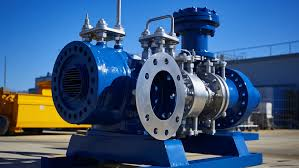
Industrial fluid handling presents diverse challenges that standard pump designs cannot always address effectively. Some applications involve hazardous chemicals requiring complete containment without any possibility of leakage. Others demand extreme gentleness to avoid damaging sensitive products. Certain processes need simple, robust equipment that operates reliably despite minimal maintenance. Understanding specialized pump technologies helps engineers and maintenance professionals match equipment capabilities to specific application requirements.
The Containment Advantages of Sealless Design
Traditional pumps transfer rotational motion from motors through shafts that penetrate pump housings. This design requires mechanical seals or packing to prevent fluid from escaping where shafts pass through casings. Even the best seals eventually leak, creating safety hazards when handling toxic or corrosive chemicals. Maintenance costs accumulate from frequent seal replacement and environmental compliance efforts.
Eliminating shaft penetrations solves these problems completely. Magnetic drive pumps use magnetic coupling to transfer power from motors to impellers without physical shaft connections. An external magnet assembly attached to the motor shaft rotates around a containment shell. Inside this shell, an internal magnet assembly connected to the impeller follows the external magnets’ rotation through magnetic attraction.
The containment shell creates a complete barrier between the pumped fluid and the atmosphere. No shaft seal exists because no shaft penetrates the pressure boundary. This design eliminates seal leakage entirely, making magnetic drive pumps ideal for handling hazardous, toxic, or expensive fluids where zero emissions are mandatory. Chemical processing, pharmaceutical manufacturing, and semiconductor production rely heavily on this technology.
Operating Characteristics and Limitations
Magnetic coupling limits power transmission capacity compared to direct-drive designs. The magnetic field strength determines maximum torque transfer, restricting these pumps to applications requiring moderate horsepower. Most magnetic drive pumps operate below 100 horsepower, though specialized designs reach higher power levels at premium costs.
The pumped fluid typically cools the internal magnet assembly and bearings. Adequate flow through the pump prevents overheating that could damage magnets or internal components. Operating against closed discharge valves or running dry causes rapid temperature rise and potential failure. Systems using magnetic drive pumps should include flow monitoring and automatic shutdown protection.
Material selection proves critical for chemical compatibility. Wetted components must resist the specific fluids being pumped. Common materials include stainless steel, Hastelloy, and various plastics. The containment shell separating magnetic assemblies requires non-magnetic materials that allow magnetic field transmission while providing chemical resistance and pressure capability.
Gentle Handling for Shear-Sensitive Products
Many industrial processes involve fluids damaged by excessive turbulence or mechanical stress. Food products like yogurt or cream lose desirable texture when subjected to high shear forces. Biological solutions containing live cells or delicate proteins degrade when pumped aggressively. Adhesives and coatings may change viscosity or cure prematurely under mechanical stress.
Peristaltic pumping action provides exceptional gentleness for these applications. Roller pumps use rotating rollers or shoes that compress flexible tubing against a curved housing. As rollers rotate, they squeeze the tubing progressively, pushing fluid forward through the tube. The only contact with pumped fluid occurs through the tubing wall, eliminating contamination risks from pump components.
This design offers remarkable versatility. Changing tubing switches between different fluids instantly without cross-contamination. No cleaning or flushing procedures are necessary since fluid never contacts reusable pump components. The simplicity appeals to operations handling multiple products through the same equipment or requiring sterile processing.
Performance Characteristics and Maintenance Needs
Roller pump flow rate depends on tubing size, rotational speed, and compression efficiency. Larger tubes move more fluid per revolution but require stronger compression forces. Slower speeds reduce pulsation and shear but decrease throughput. Most applications balance these factors to achieve required flow while preserving product integrity.
Tubing represents the primary wear component. Constant flexing and compression gradually fatigues tubing material until cracks develop or walls thin excessively. Service life varies from hours to months depending on tubing material, operating pressure, and duty cycle. Natural rubber offers excellent flexibility but limited chemical resistance. Silicone withstands wider temperature ranges. Thermoplastic elastomers provide good compromise between durability and flexibility.
Regular tubing inspection and replacement prevents unexpected failures. Monitor for surface cracks, permanent deformation, or dimensional changes. Establish replacement schedules based on actual experience rather than waiting for failures. Stocking appropriate tubing sizes ensures quick replacement without production delays.
Application Selection Criteria
Choosing between conventional pumps and specialized designs requires weighing multiple factors. Initial cost typically favors standard centrifugal pumps, but total ownership costs tell different stories. Magnetic drive pumps eliminate seal maintenance and leakage cleanup expenses. Zero emissions avoid regulatory compliance costs and potential fines. For hazardous chemical service, the premium for magnetic drive technology often pays back quickly.
Roller pumps justify their cost when product integrity depends on gentle handling. Damaged products create waste that exceeds pump expense. Contamination prevention in pharmaceutical or food applications provides value beyond simple cost comparison. The ability to quickly switch between products without cleaning offers operational flexibility worth substantial investment.
Flow requirements and pressure needs influence technology selection. Very high flow or pressure applications may exceed capabilities of specialized pumps, necessitating conventional designs despite their drawbacks. Evaluate whether process modifications could reduce extreme requirements, potentially enabling use of more appropriate equipment.
Installation Best Practices
Proper installation maximizes equipment performance and longevity regardless of pump type. Provide adequate suction conditions to prevent cavitation that damages impellers and reduces efficiency. Calculate net positive suction head available and ensure it exceeds pump requirements with reasonable margin. Minimize suction line losses through proper sizing and avoiding unnecessary fittings.
Support piping independently rather than using pumps as structural anchors. Pipe stress concentrates at connections, causing premature failures. Install isolation valves allowing pump removal for maintenance without draining entire systems. Include pressure gauges at suction and discharge for performance monitoring and troubleshooting.
For magnetic drive pumps, verify adequate cooling flow and install temperature monitoring. Consider installing flow switches that shut down pumps if flow drops below safe minimums. These protections prevent expensive failures from operating outside design parameters.
Troubleshooting Common Issues
Magnetic drive pump performance deterioration often results from internal component wear or contamination. Metallic particles attracted to magnetic assemblies increase friction and reduce efficiency. Periodic flushing removes accumulated debris. Monitor power consumption for increasing trends indicating developing problems.
Decoupling occurs when torque demands exceed magnetic coupling capacity. External magnets continue rotating while internal assembly stops, eliminating pumping action. This typically results from blockages, excessive viscosity, or starting against closed valves. Clear obstructions and ensure proper startup procedures prevent recurrence.
Roller pump flow reduction indicates tubing wear or incorrect installation. Check tubing for excessive compliance or dimensional changes. Verify rollers compress tubing adequately without over-squeezing that accelerates failure. Adjust compression settings per manufacturer specifications.
Conclusion
Specialized pump technologies address challenges that conventional designs cannot solve satisfactorily. Magnetic drive pumps eliminate seal leakage completely, essential for hazardous chemical handling and zero-emission requirements. Roller pumps provide gentleness that preserves product integrity while offering contamination-free operation valuable in pharmaceutical and food processing.
Understanding these technologies’ strengths and limitations enables informed equipment selection. While initial costs exceed conventional alternatives, total ownership analysis often favors specialized pumps for appropriate applications. Proper installation and maintenance maximize performance and justify the investment through reliable, safe operation that supports critical industrial processes.