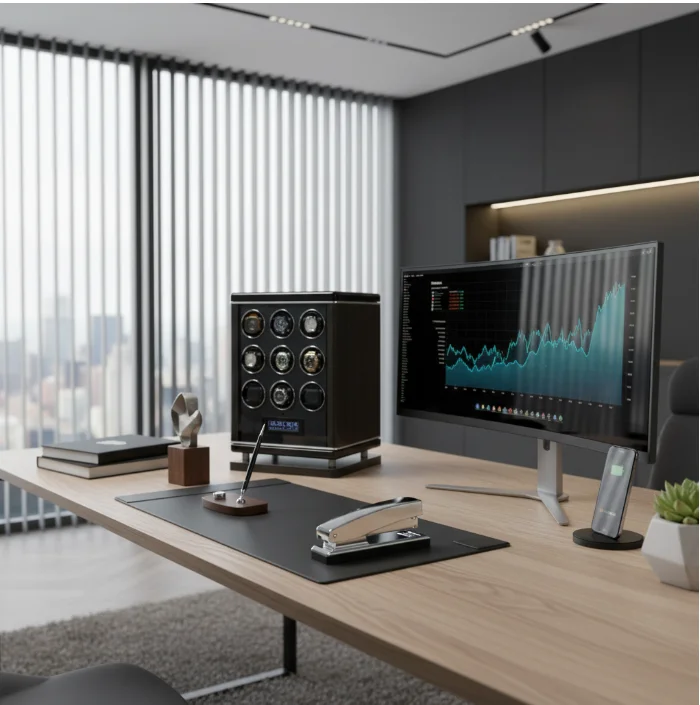
I still remember the morning it happened.
I was getting ready for an early meeting in London, suit pressed, shoes polished, mind already racing through talking points. As I reached for my automatic watch—the one my father handed down to me years ago—I noticed something felt off. The second hand was frozen. Time, at least on my wrist, had stopped.
That small moment sent me on a journey I never expected. Not into luxury shopping or gadget collecting, but into understanding how mechanical timepieces truly live, breathe, and age. That was my first real encounter with the world of the watch winder, and it changed the way I look at watches forever.
- Why Mechanical Watches Behave Like Living Things
- Discovering the Purpose Behind a Watch Winder
- A UK Perspective: Why Watch Winders Matter More Than You Think
- My First Experience with Proper Storage
- Are Watch Winders Safe? Clearing a Common Myth
- When a Watch Winder Makes the Most Sense
- One Watch vs Multiple Watches: Storage Matters
- Choosing the Right Watch Winder: Practical Wisdom
- Emotional Value: More Than Mechanics
- FAQs About Watch Winders
Why Mechanical Watches Behave Like Living Things
Automatic watches are fascinating because they rely on motion. Every step you take, every gesture you make, gently powers the movement inside. When worn daily, they stay alive. When left untouched, they slowly rest.
In theory, there’s nothing wrong with letting a watch stop. But in practice—especially with multiple watches or complicated movements—it creates small frustrations that add up over time.
Resetting the time is easy. Resetting the date is manageable. Resetting moon phases, perpetual calendars, or power reserve indicators? That’s when patience wears thin.
This is where my curiosity began.
Discovering the Purpose Behind a Watch Winder
At first, I assumed a watch winder was just another luxury accessory—nice to have, but unnecessary. That belief didn’t last long.
A watch winder is a device designed to gently rotate an automatic watch when it’s not being worn. This motion mimics natural wrist movement, keeping the internal mechanism running smoothly.
But the real value goes deeper than convenience.
What a Watch Winder Actually Does
| Function | Real-World Benefit |
| Maintains movement | Keeps lubricants evenly distributed |
| Prevents frequent resets | Saves time and reduces wear on the crown |
| Protects complications | Ideal for calendars, moon phases, and GMT |
| Provides safe storage | Shields watches from dust and moisture |
Over time, I realized it wasn’t about showing off watches—it was about respecting the craftsmanship inside them.
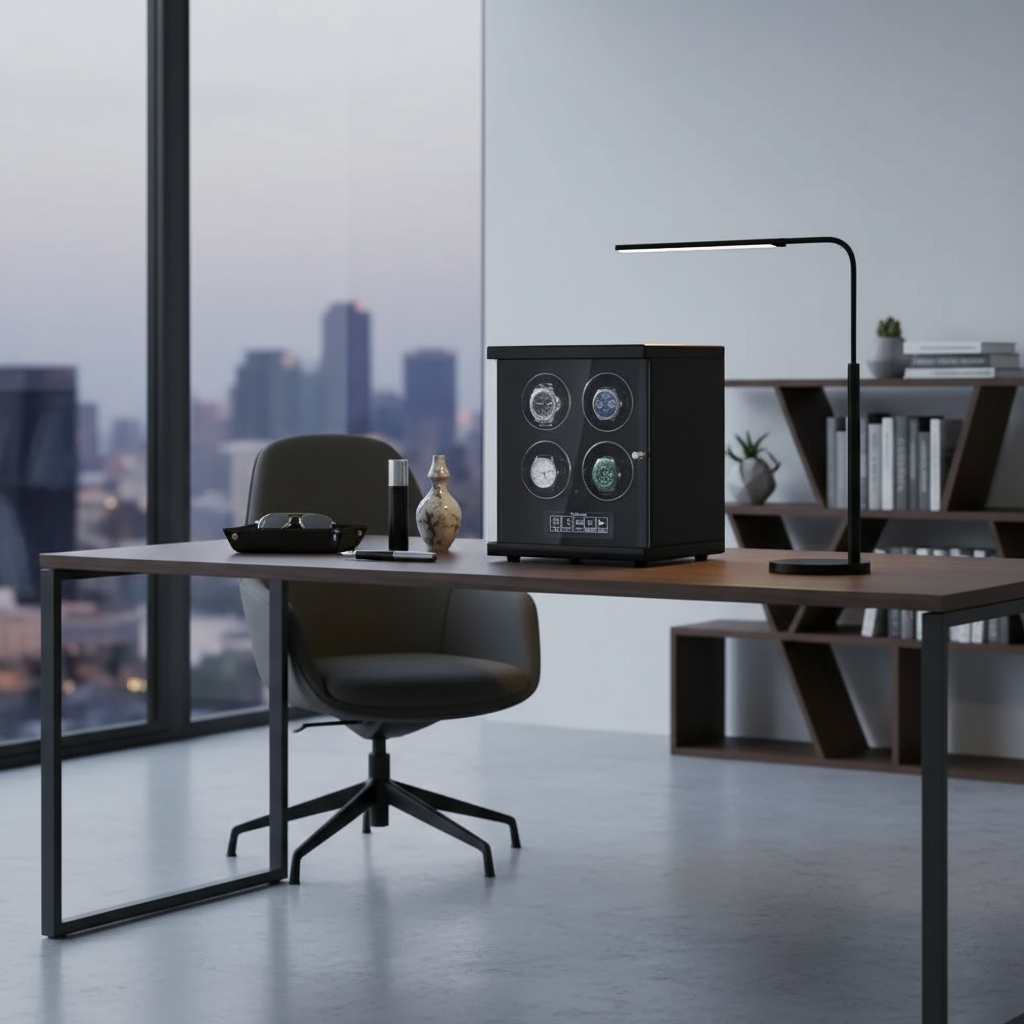
A UK Perspective: Why Watch Winders Matter More Than You Think
Living in the UK presents its own realities. We rotate watches more often due to changing outfits, seasons, and occasions. One week it’s a formal dinner, the next it’s a casual countryside weekend.
That’s why interest in a watch winder UK solution has grown quietly among collectors and everyday professionals alike.
Unlike warmer climates where watches are worn daily with lighter clothing, UK owners often switch pieces. Watches spend more time resting, which makes proper care even more important.
My First Experience with Proper Storage
When I finally invested in a proper storage solution, I didn’t rush the decision. I wanted something reliable, quiet, and thoughtfully designed—something that respected the watch rather than overpowering it.
That’s when I came across watch winder by Tempus-Luxury, almost by accident. It wasn’t loud marketing that caught my attention, but subtle design and practical engineering.
The rotation was smooth. The motor was silent. Most importantly, my watch stayed accurate—even after weeks of rotation.
For the first time, my watch felt ready whenever I was.
Are Watch Winders Safe? Clearing a Common Myth
One of the most common concerns I hear is whether winders can damage watches. The short answer: not when used correctly.
Modern winders are designed with precise rotation settings—measured in turns per day (TPD)—and directional control.
Safe Usage Essentials
| Feature | Why It Matters |
| Adjustable TPD | Prevents overwinding |
| Direction control | Matches watch movement |
| Quiet motor | Reduces vibration |
| Secure cushion | Protects the case and bracelet |
When paired correctly with your watch’s specifications, a winder supports longevity rather than harming it.
When a Watch Winder Makes the Most Sense
Not every watch owner needs one—but many don’t realize they do until frustration sets in.
A watch winder becomes especially valuable if:
- You own more than one automatic watch
- Your watch has complex complications
- You rotate watches weekly or seasonally
- You value precision and readiness
Collectors often describe it as the difference between “owning watches” and “caring for watches.”
One Watch vs Multiple Watches: Storage Matters
As my collection grew from one watch to three, then quietly to five, I noticed something interesting. My relationship with timepieces changed.
I stopped rushing. I started choosing.
That’s when I explored watch winders designed for multiple watches. Each slot became a place of rest rather than neglect.
The watch I wore less frequently didn’t feel forgotten anymore—it felt preserved.
Choosing the Right Watch Winder: Practical Wisdom
There’s no one-size-fits-all approach, but there are guiding principles worth following.
Key Considerations Before Buying
| Factor | What to Look For |
| Build quality | Solid casing and stable base |
| Rotation options | Multiple TPD and direction modes |
| Noise level | Nearly silent operation |
| Interior material | Soft, non-abrasive lining |
| Power source | Dual AC and battery options |
Good winders don’t demand attention. They quietly do their job in the background—just like a well-made watch.
Emotional Value: More Than Mechanics
What surprised me most wasn’t the technical benefit—it was the emotional one.
Every time I opened the case and saw my watch still ticking, I felt a sense of continuity. Memories tied to that watch remained alive. My father’s watch, in particular, felt honored rather than stored away.
Time didn’t stop. It waited.
FAQs About Watch Winders
Do all automatic watches need a watch winder?
No. Watches worn daily don’t need one. Winders are most helpful for rotated or complex watches.
Can a watch be overwound?
Automatic watches have slipping clutches, but incorrect TPD settings should still be avoided.
Is a watch winder noisy?
Quality winders are almost silent, suitable even for bedrooms or offices.
How long can a watch stay on a winder?
Indefinitely, as long as settings match the watch’s requirements.
Are watch winders only for luxury watches?
Not at all. Any automatic watch benefits from consistent motion and care.