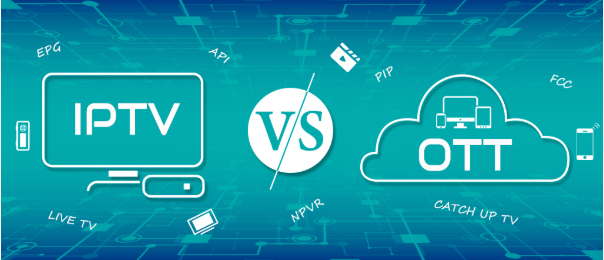
In today’s world of digital entertainment, the way we consume content has evolved dramatically. Gone are the days when traditional cable or satellite TV ruled the living room. Instead, new technologies like IPTV and OTT platforms have become the cornerstone of modern media consumption. However, many people often confuse these two technologies, asking questions like “iptv vs ott” or “iptv vs streaming.” This article will explore the differences between IPTV and OTT, their advantages and disadvantages, and help you decide which is better for your streaming needs.
- What Is IPTV and How Does It Work?
- What Is OTT Streaming?
- IPTV vs OTT: Core Differences at a Glance
- IPTV vs OTT: Offline Viewing & Download Limitations
- IPTV vs OTT: Content Availability & User Experience
- IPTV vs OTT: Cost & Subscription Models
- IPTV vs OTT: Pros and Cons
- Which One Is Better for You?
- FAQs
- Conclusion
What Is IPTV and How Does It Work?
IPTV, short for Internet Protocol Television, is a system where television services are delivered using the Internet protocol suite rather than traditional satellite or cable formats. Essentially, IPTV streams television content through a broadband internet connection, giving users access to live TV, video-on-demand (VOD), and other interactive features.
The way IPTV works is relatively straightforward. Content providers encode video and audio signals into IP packets, which are then sent over a private network or broadband connection to the user’s device. Unlike traditional broadcasting, IPTV allows for more interactive services, such as pause, rewind, or start-over functions. IPTV requires a subscription and is often associated with telecom providers or specialized streaming boxes.
Many users wonder about the compatibility of popular streaming services with IPTV. For example, questions like “is Disney Plus on IPTV” are common. While IPTV can technically support apps like Disney Plus, the integration depends on the specific IPTV provider and the device you are using.
What Is OTT Streaming?
OTT, or Over-The-Top streaming, refers to content delivered over the internet directly to users without the need for traditional cable or satellite infrastructure. This is the technology behind popular platforms such as Disney Plus, Netflix, Amazon Prime Video, and Hulu. Unlike IPTV, OTT content is generally delivered via public internet networks and can be accessed on a wide range of devices, including smartphones, tablets, smart TVs, and computers.
OTT platforms often focus on user-friendly interfaces and recommendations based on viewing habits. One of the key advantages of OTT streaming is convenience. Users can watch content anytime and anywhere, as long as they have a stable internet connection. Moreover, platforms like Disney Plus offline viewing enable users to download movies and shows to watch without an internet connection, which is not typically possible with standard IPTV services.
IPTV vs OTT: Core Differences at a Glance
When comparing iptv vs ott, several key distinctions emerge:
- Delivery Method: IPTV uses a managed network for content delivery, while OTT uses the public internet.
- Content Type: IPTV often offers live TV channels and linear content, whereas OTT focuses more on on-demand streaming.
- Interactivity: IPTV can provide features like start-over and catch-up TV, whereas OTT platforms offer personalized recommendations and extensive libraries.
- Device Compatibility: OTT services are widely accessible across devices, while IPTV may require set-top boxes or specific hardware.
In short, IPTV functions more like an internet-based replacement for cable, whereas OTT represents the next-generation on-demand streaming experience.
IPTV vs OTT: Offline Viewing & Download Limitations
One of the major differences between iptv vs streaming is offline accessibility. OTT platforms, such as Disney Plus, offer offline viewing options. This feature allows subscribers to download movies or shows and watch them without an internet connection, making it ideal for travel or areas with limited connectivity.
IPTV, on the other hand, generally does not support offline downloads. Since it relies on a constant internet connection to stream live and on-demand content, users cannot access content without being online. This limitation can be a dealbreaker for users who frequently need offline access. Platforms like Disney Plus offline viewing highlight the convenience OTT brings in this regard.
IPTV vs OTT: Content Availability & User Experience
When comparing iptv vs netflix, the difference in content availability becomes clear. IPTV packages often include a mix of live channels, sports, and regional content, tailored to the provider’s offerings. However, the selection is relatively fixed, and users cannot easily access exclusive streaming libraries from platforms like Netflix or Disney Plus.
OTT services excel in content variety. Platforms like Disney Plus offer vast libraries of original movies, series, and exclusive content, often unavailable on IPTV. Additionally, OTT services usually provide a more intuitive and polished user experience, with advanced search functions, personalized recommendations, and multi-device access.
IPTV vs OTT: Cost & Subscription Models
Cost is another critical factor in the iptv vs ott debate. IPTV subscriptions are often bundled with broadband services, and prices vary depending on the number of channels and features offered. Some IPTV providers offer lower monthly fees than major OTT subscriptions, but these packages may come with restrictions such as limited device access or regional content availability.
OTT platforms, by contrast, operate on a subscription-based model that is straightforward. Users typically pay a monthly fee for access to the full content library, sometimes with tiered pricing for features like ad-free viewing or higher-definition streaming. While OTT subscriptions can be slightly higher per month compared to IPTV, the flexibility and content variety often justify the cost.
IPTV vs OTT: Pros and Cons
IPTV Pros:
- Offers live TV and linear channels.
- Provides interactive features like pause, rewind, and start-over TV.
- Often bundled with internet services, making it convenient for home use.
IPTV Cons:
- Requires a constant internet connection.
- Limited offline access.
- Less content variety compared to OTT platforms.
OTT Pros:
- Access to a wide range of on-demand content.
- Offline viewing options (e.g., Disney Plus offline viewing).
- Compatible with multiple devices.
- Advanced recommendation and personalization features.
OTT Cons:
- Live TV options are limited unless using specific apps.
- Dependent on internet speed for smooth streaming.
- Subscription costs can add up if using multiple services.
Which One Is Better for You?
Choosing between IPTV and OTT depends on your viewing habits and priorities. If you enjoy live TV, sports, or local channels, IPTV may be a better fit. It provides a traditional TV experience over the internet with features like catch-up and pause.
On the other hand, if you prefer on-demand content, binge-watching original series, and the flexibility to watch offline, OTT platforms like Disney Plus are likely more suitable. OTT also caters better to multi-device usage and personalized content recommendations.
Ultimately, some users may find that a combination of both IPTV and OTT services offers the best of both worlds—live TV through IPTV and on-demand content via OTT subscriptions.
FAQs
Q: Can I access Disney Plus through IPTV?
A: It depends on your IPTV provider. While some IPTV setups allow app integration, OTT platforms like Disney Plus are generally accessed directly via their apps.
Q: Which is cheaper, IPTV or OTT?
A: IPTV can be cheaper if bundled with internet services, but OTT offers more content variety, making the cost-benefit dependent on your preferences.
Q: Can I watch offline content on IPTV?
A: Typically, no. IPTV relies on live streaming and internet connectivity, whereas OTT platforms like Disney Plus offline viewing provide offline viewing options.
Q: Is IPTV better for live sports?
A: Yes, IPTV often offers a wider selection of live channels, including sports, making it a strong choice for sports enthusiasts.
Q: Do OTT services offer free trials?
A: Many OTT platforms provide trial periods to test the service before committing to a subscription, unlike most IPTV providers.
Conclusion
Both IPTV and OTT have revolutionized how we consume television and digital content. While iptv vs ott comparisons reveal distinct differences in delivery, content, and user experience, the “better” option depends entirely on your personal preferences. IPTV shines in live TV and interactive features, while OTT platforms excel in on-demand content, multi-device accessibility, and offline viewing. By understanding the strengths and limitations of each, you can make an informed choice and enjoy a customized streaming experience that fits your lifestyle perfectly.
Whether you’re a sports fan, a movie buff, or someone who enjoys catching up on shows offline, the right choice is out there—you just have to decide which features matter most.