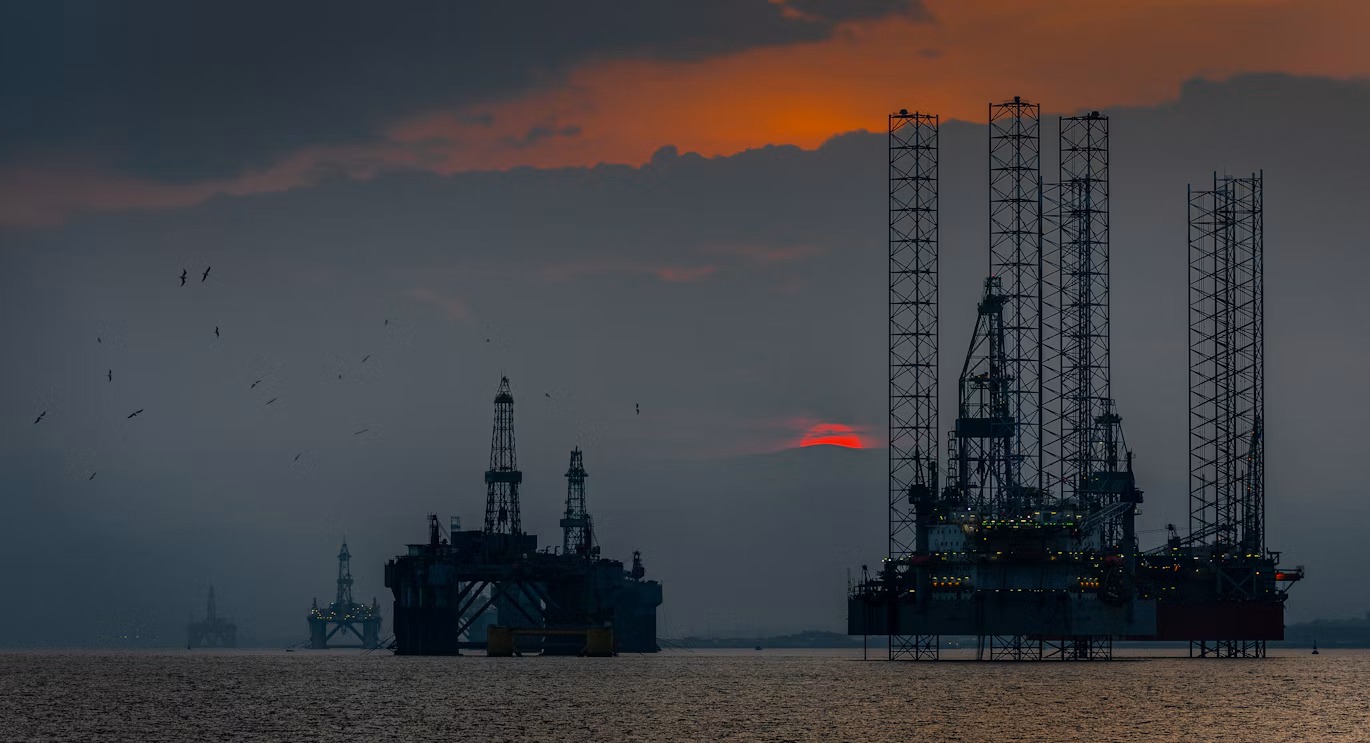
Global oil and gas projects contribute significantly to economic development by creating employment opportunities across various industries. From exploration and extraction to transportation and refining, these projects require professionals with diverse technical, operational, and managerial skills. Specialist recruitment providers such as Airswift offer oil and gas recruitment and workforce solutions that help energy companies secure qualified professionals for international projects. As companies invest in infrastructure and modern production technologies, new career opportunities continue to emerge for both experienced workers and individuals entering the industry.
- Employment Opportunities Across Different Project Stages
- Infrastructure Development and Economic Growth
- Technological Advancements and Emerging Careers
- International Recruitment and Workforce Mobility
- Professional Training and Skills Development
- Environmental Responsibility and New Career Pathways
- Conclusion
Employment Opportunities Across Different Project Stages
Every oil and gas project begins with extensive planning, research, and geological assessments to determine commercial feasibility. Geologists, environmental consultants, and petroleum engineers work together to evaluate resources and identify suitable extraction methods. These preliminary activities generate employment opportunities long before physical construction or production begins.
Once a project enters the development stage, demand increases for construction workers, mechanical engineers, electricians, and equipment operators. Production facilities also require maintenance technicians, safety specialists, and operations managers to maintain efficient working conditions. Each stage introduces different workforce requirements, creating employment opportunities throughout the project lifecycle.
Infrastructure Development and Economic Growth
Large-scale oil and gas projects often require considerable investment in pipelines, processing facilities, storage terminals, and transportation networks. Developing this infrastructure creates opportunities for civil engineers, construction contractors, logistics coordinators, and project management professionals. These investments can also support economic activity in communities surrounding major development sites.
Local businesses frequently benefit from increased demand for accommodation, transportation, catering, and equipment supplies. Small and medium-sized enterprises may secure contracts to provide essential services, allowing them to expand operations and recruit additional employees. Consequently, employment benefits can extend well beyond the companies directly involved in petroleum production.
Technological Advancements and Emerging Careers
Modern oil and gas operations increasingly rely on advanced technologies to improve productivity, reduce operational costs, and strengthen workplace safety. Automated drilling systems, industrial sensors, and predictive maintenance software are changing how companies manage complex production environments. These developments create demand for professionals with expertise in automation, data analysis, and digital systems.
Technology also introduces opportunities for cybersecurity specialists, software developers, and robotics engineers within traditional energy operations. As facilities become more connected, protecting digital infrastructure and maintaining reliable systems become increasingly important responsibilities. Workers who develop complementary technical and digital skills may improve their employment prospects as industry requirements evolve.
International Recruitment and Workforce Mobility
Global energy projects frequently require specialized expertise that may not be readily available within local labor markets. International recruitment allows companies to access qualified professionals with experience in complex engineering, offshore operations, and large-scale infrastructure development. This approach creates opportunities for workers to pursue careers across different markets and gain valuable industry experience.
Working on international projects also exposes employees to different operational standards, technologies, and professional working environments. Such experiences can strengthen technical capabilities while improving communication, adaptability, and leadership skills. Workforce mobility therefore supports both individual career development and the transfer of valuable industry knowledge between regions.
Professional Training and Skills Development
Oil and gas companies depend on competent employees who understand operational procedures, industry regulations, and workplace safety requirements. Investment in professional training helps workers develop the qualifications necessary to perform their responsibilities effectively. Apprenticeships, graduate programs, and technical certifications can provide accessible entry points for individuals seeking energy sector careers.
Continuous learning is equally important for experienced employees as production methods and regulatory requirements change. Companies that support professional development can strengthen workforce capabilities while reducing dependence on external recruitment for certain positions. These initiatives may also improve employee retention and support long-term career progression.
Environmental Responsibility and New Career Pathways
Growing attention to environmental responsibility is changing how oil and gas companies approach project development and operational management. Organizations increasingly require environmental engineers, emissions monitoring specialists, and sustainability consultants to address environmental challenges. These responsibilities create additional career pathways within an industry traditionally associated with engineering and extraction.
Efforts to improve energy efficiency, reduce methane emissions, and implement carbon management technologies also require specialized technical knowledge. Professionals with environmental science and engineering backgrounds can contribute to developing more responsible operational practices. As environmental requirements evolve, companies may need to expand their workforce capabilities to meet increasingly complex expectations.
Conclusion
Global oil and gas projects create diverse employment opportunities through infrastructure development, technological innovation, international recruitment, and professional training. Their economic influence extends beyond petroleum production, supporting businesses and workers across numerous related industries. Although employment demand remains influenced by market conditions and investment decisions, individuals who develop relevant technical skills, embrace continuous learning, and adapt to emerging technologies can position themselves for rewarding careers within the evolving global energy sector.