Key Takeaways
-
Mad honey is produced when bees collect nectar from certain rhododendron flowers that contain natural toxins.
-
Its distinctive effects come from compounds known as grayanotoxins.
-
Small quantities have been used historically in traditional practices in parts of Asia and the Black Sea region.
-
Understanding what mad honey is helps consumers appreciate both its unusual qualities and the need for moderation.
Introduction
Honey usually brings to mind golden sweetness, warm biscuits, and a comforting drizzle over tea. Yet not all honey behaves in quite the same way. One variety, known as mad honey, has sparked curiosity among food enthusiasts, scientists, and adventurous consumers alike.
People across the United States have started asking a simple but intriguing question: What is mad honey, and why does it seem so different from the honey found on supermarket shelves? The answer lies in the plants visited by bees and the natural chemistry hidden within certain flowers.
Mad honey looks harmless enough. Its taste is still sweet, sometimes with a slightly bitter edge. But the story behind it is far more complex, blending botany, science, and centuries of regional tradition.
A Honey With a Botanical Twist
Understanding mad honey begins with the bees themselves. In mountainous regions of Turkey, Nepal, and parts of the Caucasus, bees gather nectar from rhododendron flowers. Some species of these plants contain naturally occurring compounds called grayanotoxins.
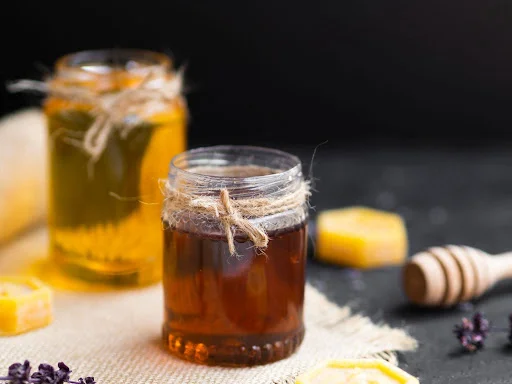
When bees collect nectar from those flowers, traces of these compounds remain in the honey they produce. That is how mad honey forms. Its color can range from amber to reddish, depending on the specific plants and the season.
For curious consumers wondering what mad honey is, the answer is surprisingly straightforward. It is simply honey made from nectar that contains these naturally occurring toxins. The bees are doing what they always do; nature just adds a twist.
While the concept might sound alarming at first, it is worth remembering that many plants contain defensive chemicals. Chillies have capsaicin, coffee has caffeine, and rhododendrons happen to carry grayanotoxins.
The Science Behind Its Unusual Effects
Grayanotoxins are responsible for the distinctive reactions associated with mad honey. These compounds affect sodium channels in nerve cells, which play an important role in transmitting electrical signals through the body.
When small amounts of mad honey are consumed, people sometimes report sensations such as warmth, mild dizziness, or a relaxed feeling. The body’s nervous system reacts slightly differently because those nerve signals behave in unusual ways.
Scientists find the phenomenon fascinating. By studying how grayanotoxins interact with nerve cells, researchers gain insights into the broader workings of the human nervous system.
Still, moderation matters. Larger amounts of mad honey can lead to symptoms such as nausea, low blood pressure, or confusion. That is why understanding what mad honey is also involves recognising the science behind its effects.
From Mountain Traditions to Global Curiosity
Long before international food trends began spotlighting unusual ingredients, mad honey played a role in local traditions. Harvesters in regions like Nepal’s Himalayan cliffs risk difficult climbs to collect honey from wild hives.
The process can look dramatic. Some collectors use ropes and ladders suspended hundreds of feet above the ground. The honey gathered from those hives often contains the compounds that make mad honey famous.
Historical accounts even mention armies encountering the substance centuries ago. According to ancient writers, soldiers once became disoriented after eating honey gathered from rhododendron areas. Whether exaggerated or not, the story helped shape the honey’s reputation.
Today, consumers in the United States encounter mad honey through online specialty markets and global food trends. Its story combines adventure, tradition, and a bit of scientific intrigue.
Curiosity Meets Caution
Interest in rare foods continues to grow. Just as people search for single-origin coffee or specialty maple syrup, unusual honey varieties have gained attention.
Mad honey fits neatly into that category. It offers a distinctive flavor, a striking origin story, and a reputation that sparks conversation. Yet curiosity should always come with awareness.
Understanding what mad honey is helps consumers approach it responsibly. Small amounts may be enjoyed by some, but larger quantities can produce stronger reactions that are best avoided.
Knowledge makes all the difference. When people understand the science and the tradition behind the product, its uniqueness becomes easier to appreciate.
Conclusion
Mad honey is one of nature’s more unusual gifts. Created when bees gather nectar from rhododendron flowers, it carries natural compounds that set it apart from everyday honey.
As more people in the United States learn about mad honey, the question of what mad honey is continues to surface. The answer blends chemistry, ecology, and cultural heritage. Together, these elements create a honey that is both fascinating and distinctive.
For those interested in exploring authentic mad honey from trusted sources, contact Maddest Mad Honey to learn more or discover available products.