When it comes to building, renovating, or simply understanding your home, the home roof ceiling is one of the most critical structural and aesthetic elements that shapes your living experience. Whether you’re a first-time homebuyer, a DIY enthusiast, or someone planning a major renovation, understanding how your roof and ceiling work together — and knowing exactly how tall is a single story house — can save you time, money, and headaches down the road.
In this comprehensive guide, we’ll explore everything from standard ceiling heights and roof types to design trends, insulation tips, and practical advice that will help you make informed decisions about your home’s most important overhead features.
How Tall Is a Single Story House?
One of the most commonly asked questions in residential construction is: how tall is a single story house? The answer isn’t as straightforward as you might think, because several factors influence the overall height of a single-story dwelling.
- The Standard Height
- Factors That Affect Single Story House Height
- What Is the Roof?
- What Is the Ceiling?
- The Space Between: Why It Matters
- 1. Flat Ceiling
- 2. Vaulted Ceiling
- 3. Cathedral Ceiling
- 4. Tray Ceiling
- 5. Coffered Ceiling
- 6. Shed Ceiling
- Room Size and Proportion
- Climate and Energy Efficiency
- Personal Preference and Lifestyle
- Budget
- Gable Roof
- Hip Roof
- Flat Roof
- Mansard Roof
- Gambrel Roof
- Insulation Options
- Ventilation Best Practices
- 1. Exposed Beams
- 2. Statement Lighting
- 3. Painted Ceilings
- 4. Wood Planking
- 5. Skylights and Roof Windows
- 6. Mixed Materials
- Water Stains and Leaks
- Sagging Ceiling
- Cracks
- Poor Insulation
- Condensation and Moisture
The Standard Height
On average, a single story house stands between 11 to 15 feet (3.3 to 4.5 meters) from the ground to the peak of the roof. This measurement includes three main components:
- Foundation: Typically 1 to 3 feet above ground level, depending on the type (slab, crawl space, or raised foundation).
- Wall height (floor to ceiling): Usually 8 to 10 feet in most modern homes.
- Roof structure: Adds another 2 to 5 feet, depending on the pitch and style of the roof.
Factors That Affect Single Story House Height
1. Ceiling Height The interior ceiling height is the single biggest variable. Older homes built before the 1980s often feature 8-foot ceilings, while modern construction trends lean toward 9-foot or even 10-foot ceilings as the standard. Luxury homes may feature ceilings as high as 12 feet or more.
2. Roof Pitch The steepness of your roof dramatically affects overall house height. A low-slope roof (such as a 3:12 pitch) adds minimal height, while a steep roof (like a 12:12 pitch) can add significantly more. The roof pitch is expressed as a ratio — for example, a 6:12 pitch means the roof rises 6 inches for every 12 inches of horizontal run.
3. Foundation Type A home built on a concrete slab sits much closer to the ground than one built on a raised crawl space or full basement foundation. In flood-prone areas, homes may be elevated several feet above ground level, making the overall structure taller.
4. Geographic Location and Building Codes Local building codes and zoning regulations often dictate minimum and maximum building heights. In some neighborhoods, homeowner association (HOA) rules may further restrict how tall your single story house can be.
5. Attic Space Some single story homes include usable or non-usable attic space within the roof structure. A home with a large attic will naturally be taller than one with a compact, low-profile roof.
Understanding the Home Roof Ceiling Connection
The terms “roof” and “ceiling” are often used interchangeably in casual conversation, but they refer to very different components of your home. Understanding the relationship between your home roof ceiling elements is essential for any homeowner.
What Is the Roof?
The roof is the outermost layer of your home’s top structure. It protects the interior from weather elements like rain, snow, wind, and sunlight. The roof consists of several layers:
- Roof decking (sheathing): The structural base, usually made of plywood or oriented strand board (OSB).
- Underlayment: A waterproof or water-resistant barrier laid over the decking.
- Roofing material: The visible outer layer — shingles, tiles, metal panels, slate, etc.
- Flashing: Metal strips that seal joints and prevent water intrusion.
- Ridge vents and soffits: Ventilation components that allow air circulation.
What Is the Ceiling?
The ceiling is the interior overhead surface of a room. It is the finished underside that you see when you look up. The ceiling can be attached directly to the roof rafters (as in vaulted or cathedral ceilings) or suspended below the roof structure with a separate framework, creating attic space between the two.
The Space Between: Why It Matters
The space between your roof and ceiling — often the attic — serves several critical functions:
- Insulation: This space is where most of your home’s thermal insulation is installed, keeping your home warm in winter and cool in summer.
- Ventilation: Proper attic ventilation prevents moisture buildup, which can cause mold, rot, and structural damage.
- Wiring and ductwork: HVAC ducts, electrical wiring, and plumbing vents often run through this space.
- Structural integrity: Roof trusses and rafters in this space bear the load of the roof and distribute it to the walls.
Types of Home Roof Ceilings
Choosing the right ceiling type for your home affects not only the aesthetics of your interior but also energy efficiency, acoustics, and even your psychological sense of space. Here are the most popular home roof ceiling styles:
1. Flat Ceiling
The most common ceiling type in residential construction, a flat ceiling runs horizontally at a uniform height. It’s simple, cost-effective, and easy to insulate. Standard flat ceilings are set at 8 to 9 feet, though 10-foot flat ceilings are increasingly popular in new builds.
Pros:
- Affordable to build and maintain
- Easy to insulate and ventilate the attic space above
- Simple to install lighting fixtures and ceiling fans
Cons:
- Can feel plain or low in smaller rooms
- Doesn’t add much architectural interest
2. Vaulted Ceiling
A vaulted ceiling follows the angle of the roofline, creating a dramatic, open feel. The ceiling slopes upward from the walls to a peak, often reaching 15 feet or more at the highest point.
Pros:
- Creates a sense of spaciousness and grandeur
- Allows for larger windows and more natural light
- Adds significant visual interest and architectural character
Cons:
- More expensive to build and insulate
- Higher energy costs due to increased volume of air to heat or cool
- Harder to maintain (changing light bulbs, painting, etc.)
3. Cathedral Ceiling
Similar to vaulted ceilings, cathedral ceilings feature two equal sloping sides that meet at a ridge in the center, mirroring the roof pitch exactly. The key difference is that cathedral ceilings have symmetrical slopes, while vaulted ceilings can be asymmetrical.
Pros:
- Stunning visual impact
- Excellent for open-concept living spaces
- Maximizes vertical space
Cons:
- Challenging to insulate properly
- Potential for ice dams in cold climates if not ventilated correctly
- Higher construction costs
4. Tray Ceiling
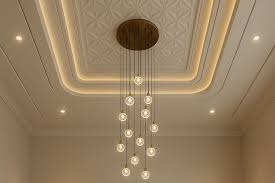
A tray ceiling (also called a recessed ceiling or inverted ceiling) features a central section that is raised higher than the surrounding perimeter. It creates a subtle, elegant architectural detail that adds depth without the full commitment of a vaulted ceiling.
Pros:
- Adds elegance and dimension to a room
- Can be enhanced with lighting, molding, or paint
- Less expensive than full vaulted ceilings
Cons:
- Limited to rooms with sufficient height
- Requires careful design to avoid looking out of proportion
5. Coffered Ceiling
A coffered ceiling features a grid of recessed panels, creating a pattern of sunken squares or rectangles. This classic design dates back to ancient Roman and Greek architecture and remains a hallmark of luxury interior design.
Pros:
- Timeless, sophisticated look
- Can improve acoustics
- Adds perceived value to a home
Cons:
- Expensive and labor-intensive to install
- Requires adequate ceiling height (at least 9 feet)
- Can make a room feel heavy if not designed properly
6. Shed Ceiling
A shed ceiling (also called a skillion ceiling) slopes in a single direction, from a higher wall to a lower one. It’s a popular choice in modern and contemporary home designs.
Pros:
- Modern, clean aesthetic
- Allows for clerestory windows on the high side
- Good drainage for the roof
Cons:
- Uneven ceiling height can be awkward for furniture placement
- Requires careful insulation planning
How to Choose the Right Ceiling Height for Your Home
When determining the ideal ceiling height for your single story house, consider the following factors:
Room Size and Proportion
A general rule of thumb in architecture is that ceiling height should be proportional to the room’s dimensions. For a standard room of 12 by 12 feet, an 8 or 9-foot ceiling works well. Larger rooms, such as great rooms or open-plan living areas, benefit from higher ceilings of 10 to 12 feet to maintain visual balance.
Climate and Energy Efficiency
Higher ceilings mean more air volume to heat and cool, which can increase energy bills. In colder climates, standard or slightly above-standard ceiling heights (8 to 9 feet) are often more energy-efficient. In warmer climates, higher ceilings can actually help by allowing hot air to rise above the living zone.
Personal Preference and Lifestyle
Some homeowners love the grandeur of high ceilings, while others prefer the cozy, intimate feel of lower ceilings. Consider how you use each room — a vaulted ceiling might be perfect for a living room but feel cold and cavernous in a bedroom.
Budget
Higher ceilings increase construction costs through more materials for walls, insulation, and finishes. They also increase long-term energy costs. Factor these into your overall budget when planning your home.
Roof Types and Their Impact on Ceiling Design
The type of roof you choose has a direct impact on your interior ceiling options. Here’s how the most common roof types relate to ceiling design:
Gable Roof
The classic triangular roof shape allows for flat ceilings with attic space above, or vaulted/cathedral ceilings that follow the roofline. Gable roofs are versatile and work with nearly any ceiling style.
Hip Roof
With slopes on all four sides, hip roofs are structurally strong and wind-resistant. They typically work best with flat ceilings, though partial vaulted ceilings are possible in certain configurations.
Flat Roof
Common in modern architecture, flat roofs (which actually have a slight slope for drainage) pair naturally with flat interior ceilings. They offer the opportunity for rooftop gardens, solar panels, or outdoor living spaces.
Mansard Roof
The distinctive four-sided gambrel style of a mansard roof creates excellent opportunities for livable attic space, effectively allowing a single story house to have usable upper-level rooms within the roof structure.
Gambrel Roof
Similar to the mansard but with only two sides, gambrel roofs (the classic barn shape) maximize headroom in the attic and can allow for creative ceiling designs in upper spaces.
Insulation and Ventilation: Protecting Your Home Roof Ceiling
Proper insulation and ventilation of the space between your roof and ceiling are absolutely critical for your home’s longevity, comfort, and energy efficiency.
Insulation Options
- Fiberglass batts: The most common and affordable option, laid between ceiling joists or roof rafters.
- Blown-in cellulose or fiberglass: Excellent for filling irregular spaces and achieving uniform coverage.
- Spray foam insulation: Provides both insulation and an air barrier; ideal for vaulted ceilings where space between roof and ceiling is limited.
- Rigid foam boards: Can be installed above the roof decking or below the rafters for additional thermal protection.
The recommended insulation R-value for ceilings varies by climate zone. In colder regions, R-49 to R-60 is recommended, while warmer climates may require R-30 to R-38.
Ventilation Best Practices
Proper attic ventilation requires a balanced system of intake vents (usually at the soffits) and exhaust vents (at the ridge or near the peak). This airflow removes excess heat and moisture, preventing:
- Ice dams in winter
- Premature aging of roofing materials
- Mold and mildew growth
- Wood rot in structural members
For vaulted or cathedral ceilings without a traditional attic, ventilation channels (baffles) between the insulation and roof decking are essential to maintain airflow from soffit to ridge.
Current Trends in Home Roof Ceiling Design
The world of interior design and architecture is constantly evolving. Here are some of the latest trends in home roof ceiling design for 2025 and 2026:
1. Exposed Beams
Whether real timber or faux beams, exposed ceiling beams add warmth, texture, and character. They work beautifully with vaulted, cathedral, and even flat ceilings, lending a rustic, farmhouse, or industrial vibe.
2. Statement Lighting
With higher ceilings becoming more common, homeowners are using dramatic pendant lights, chandeliers, and sculptural fixtures as ceiling focal points.
3. Painted Ceilings
The “fifth wall” trend continues to grow, with homeowners painting ceilings in bold colors, subtle tones, or even murals to add personality and visual interest.
4. Wood Planking
Tongue-and-groove wood planks on the ceiling create a warm, inviting atmosphere. Popular wood choices include cedar, pine, reclaimed barn wood, and white-washed options.
5. Skylights and Roof Windows
Integrating skylights into the roof ceiling design floods interiors with natural light and can make even small rooms feel expansive. Modern skylights feature smart glass technology that adjusts tint based on sunlight intensity.
6. Mixed Materials
Combining materials like wood, metal, plaster, and glass on the ceiling creates dynamic, layered designs that add depth and sophistication.
Common Home Roof Ceiling Problems and How to Fix Them
Being aware of potential issues with your roof and ceiling can help you catch problems early and avoid costly repairs.
Water Stains and Leaks
Brown or yellowish stains on your ceiling usually indicate a roof leak. Track the source by inspecting the attic during rain and look for damaged shingles, flashing, or seals. Address leaks immediately to prevent structural damage and mold growth.
Sagging Ceiling
A sagging ceiling can indicate water damage, inadequate structural support, or aging materials. A professional inspection is recommended, as this can be a safety concern.
Cracks
Small hairline cracks are often cosmetic and result from normal settling. Larger or recurring cracks may indicate structural movement and should be evaluated by a professional.
Poor Insulation
If your home is uncomfortably cold in winter or hot in summer, inadequate ceiling insulation may be the culprit. An energy audit can identify areas where insulation is lacking.
Condensation and Moisture
Excessive moisture between the roof and ceiling can lead to mold, mildew, and rot. Improving ventilation and adding vapor barriers can resolve most moisture issues.
Cost Considerations for Home Roof Ceiling Projects
Understanding the costs associated with roof and ceiling work helps you budget appropriately:
| Project | Average Cost (USD) |
| Standard flat ceiling installation | $1,500 – $3,000 per room |
| Vaulted ceiling conversion | $18,000 – $35,000 |
| Tray ceiling installation | $3,000 – $8,000 per room |
| Coffered ceiling installation | $5,000 – $15,000 per room |
| Ceiling insulation (blown-in) | $1,500 – $3,500 for a whole home |
| Roof replacement | $8,000 – $25,000+ |
| Skylight installation | $1,500 – $4,000 per skylight |
Note: Costs vary significantly based on location, materials, labor rates, and the complexity of the project.
Tips for Maximizing Your Single Story House Height and Ceiling Appeal
Here are some practical tips to make the most of your single story home’s vertical space:
- Use light colors on walls and ceilings to create the illusion of height.
- Install vertical molding or wainscoting to draw the eye upward.
- Choose low-profile furniture to make ceilings feel taller by contrast.
- Hang curtains close to the ceiling rather than just above the window frame.
- Use recessed lighting instead of bulky fixtures that hang down and visually lower the ceiling.
- Add crown molding to create a polished transition between walls and ceiling.
- Consider removing a drop ceiling if your home has one — you may gain several inches of height.
- Use mirrors strategically to reflect light and create a sense of vertical openness.
Conclusion
Understanding your home roof ceiling — from its structural components to its design possibilities — empowers you to make smarter decisions about your home. And when someone asks you how tall is a single story house, you’ll now have a detailed, informed answer that goes well beyond a simple number. From foundation to rooftop, every element plays a role in defining the character, comfort, and efficiency of your home.
Whether you’re planning a new build, considering a renovation, or simply curious about the anatomy of your single story house, the knowledge in this guide gives you a solid foundation (pun intended) to move forward with confidence. The right combination of roof type, ceiling style, insulation, and design choices can transform an ordinary house into an extraordinary home.
If you’re looking for even more inspiration and expert guidance on home improvements, home design ideas, and interior decor tips, be sure to visit Home Comfort Experts. HomeComfortExperts.co.uk is a fantastic resource that provides a wealth of home improvement ideas, creative home design inspiration, and practical home decor tips — many of which are drawn from stunning celebrity homes. Beyond aesthetics, the site also offers valuable real estate tips, property investment advice, and all kinds of home improvement knowledge to help you make the best decisions for your living space. Whether you’re refreshing a single room or undertaking a complete home transformation, Home Comfort Experts is your go-to destination for trusted, up-to-date advice that turns your house into a home you’ll love.